Why Temperature Sensor Calibration is Critical for Accuracy
Summarize this blog post with:


Introduction to Temperature Sensor Calibration
In any industrial process, temperature is not just a parameter,it directly influences product quality, safety, and operational efficiency. From pharmaceutical manufacturing to power generation, even a small deviation in temperature measurement can lead to serious consequences.
This is where temperature sensor calibration becomes essential.
Temperature calibration is the process of verifying a sensor’s accuracy by comparing its readings against a known reference standard. Over time, all industrial temperature sensors,whether thermocouples or RTDs,experience gradual drift due to environmental exposure, mechanical stress, and continuous operation.
Industries where precision is non-negotiable include:
- Pharmaceutical manufacturing
- Food and beverage processing
- Power generation plants
- Chemical and petrochemical industries
These sectors commonly rely on:
- Thermocouples for high-temperature environments
- RTDs (Resistance Temperature Detectors) for high-accuracy applications
Even when sourced from trusted thermocouple manufacturers in India or experienced RTD sensor suppliers, sensors require periodic calibration to maintain their accuracy.
What is Temperature Sensor Calibration?
Calibration Explained
Temperature sensor calibration is a systematic process that ensures measurement accuracy and reliability.
It involves:
- Comparing the sensor output with a certified reference standard
- Identifying deviations from the actual temperature
- Adjusting the sensor or applying correction factors
The goal is simple: ensure the sensor delivers consistent, repeatable, and accurate readings across its operating range.
Without calibration, even high-quality sensors can produce misleading data, affecting the entire process.
Types of Temperature Sensors That Require Calibration
Calibration is essential for all temperature measurement devices used in industrial systems.
Thermocouples
Widely used in furnaces, kilns, and high-temperature processes, thermocouples are durable but more prone to drift over time due to extreme conditions.
RTDs (Resistance Temperature Detectors)
Known for their accuracy and stability, RTDs are commonly used in industries where precision is critical. However, they also require periodic calibration to maintain performance.
Temperature Transmitters
Transmitters convert sensor signals into standardized outputs (such as 4–20 mA). Calibration ensures signal accuracy across control systems.
Why Calibration is Critical for Accuracy
Eliminates Measurement Errors
Calibration helps reduce discrepancies between actual and measured temperatures.
- Minimizes deviations
- Ensures repeatability
- Reduces process variability
Accurate readings are the foundation of stable operations.
Maintains Product Quality
In industries with strict quality standards, even minor temperature variations can affect the final product.
- Prevents batch rejection
- Ensures uniform product characteristics
- Supports consistent production output
This is especially important in pharmaceuticals and food processing.
Ensures Regulatory Compliance
Many industries must comply with strict regulations such as ISO, FDA, and GMP standards.
Calibration helps:
- Meet compliance requirements
- Pass audits and inspections
- Avoid penalties and operational risks
Improves Equipment Efficiency
Accurate temperature measurement ensures systems operate at optimal conditions.
- Optimizes heating and cooling cycles
- Reduces unnecessary energy consumption
- Improves overall equipment performance
Also Read : RTD Self-Heating Error Explained: Causes, Effects, and How to Minimize It
Common Causes of Sensor Inaccuracy
Even the most advanced sensors can lose accuracy over time. Understanding the causes helps in planning effective calibration strategies.
Sensor Drift
Continuous exposure to temperature cycles gradually alters sensor characteristics.
Extreme Temperatures
High heat or rapid fluctuations can affect sensor materials and performance.
Mechanical Stress and Vibration
Industrial environments often subject sensors to vibration, leading to internal damage or instability.
Contamination and Corrosion
Exposure to moisture, chemicals, or dust can degrade sensor components.
Improper Installation
Incorrect placement or handling can lead to inaccurate readings from the start.
Working with experienced RTD sensor suppliers ensures proper guidance in installation and usage.
Calibration Methods Used in Industry
Different applications require different calibration techniques based on accuracy requirements and operating conditions.
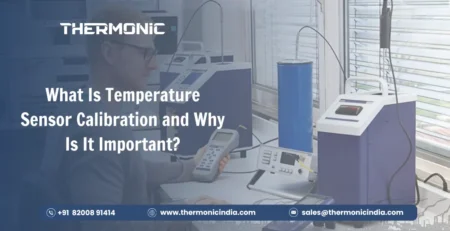
Dry Block Calibration
- Portable and easy to use
- Suitable for on-site calibration
- Ideal for routine industrial checks
This method is widely used in manufacturing plants.
Liquid Bath Calibration
- Provides high accuracy
- Ensures uniform temperature distribution
- Used in laboratories and precision environments
It is preferred where high precision is required.
Comparison Calibration
- Involves comparing with a reference sensor
- Cost-effective and practical
- Suitable for field calibration
This method is commonly used across industries.
How Often Should Temperature Sensors Be Calibrated?
Calibration frequency depends on several factors, including application criticality and operating conditions.
General Guidelines
- High-precision industries: frequent calibration
- Standard industrial use: quarterly, bi-annual, or annual calibration
Factors That Influence Calibration Frequency
- Operating environment (temperature, humidity, chemicals)
- Required accuracy level
- Type of sensor used
- Importance of the process
Regular calibration reduces unexpected failures and ensures long-term reliability of industrial temperature sensors.
Signs Your Temperature Sensor Needs Calibration
Ignoring early warning signs can lead to serious operational issues.
Look out for:
- Fluctuating or inconsistent readings
- Gradual drift in temperature values
- Reduced process efficiency
- Failed audits or quality checks
- Unusual equipment behavior
Early detection helps avoid downtime and costly repairs.
Risks of Ignoring Calibration
Failure to calibrate temperature sensors can have significant consequences.
Poor Product Quality
Inaccurate temperature readings lead to inconsistent production output.
Increased Costs
Higher energy consumption and frequent equipment failures increase operational expenses.
Safety Risks
Incorrect temperature control can result in overheating, posing safety hazards.
Equipment Damage
Improper temperature control can damage machinery and reduce lifespan.
Compliance Issues
Non-calibrated sensors can lead to regulatory violations and failed audits.
Best Practices for Accurate Calibration
To ensure reliable and consistent calibration results, industries should follow these best practices:
- Use certified and traceable reference standards
- Maintain detailed calibration records
- Follow standardized procedures
- Train personnel regularly
- Schedule periodic calibration based on application needs
Partnering with experienced thermocouple manufacturers in India ensures access to high-quality sensors and expert calibration support.
Also Read : Why Choosing a Reliable RTD Sensor Manufacturer Matters
Conclusion: Partner with Experts for Accurate Temperature Sensor Calibration Solutions
Temperature sensor calibration is not just a routine maintenance task,it is a critical process that ensures accuracy, consistency, and safety in industrial operations.
Regular calibration helps:
- Maintain precise temperature measurement
- Improve product quality
- Ensure compliance with industry standards
- Reduce long-term operational costs
In today’s competitive industrial landscape, accuracy is not optional,it is essential.
For reliable and high-performance temperature measurement solutions, partnering with experienced RTD sensor suppliers and thermocouple manufacturers in India makes all the difference.