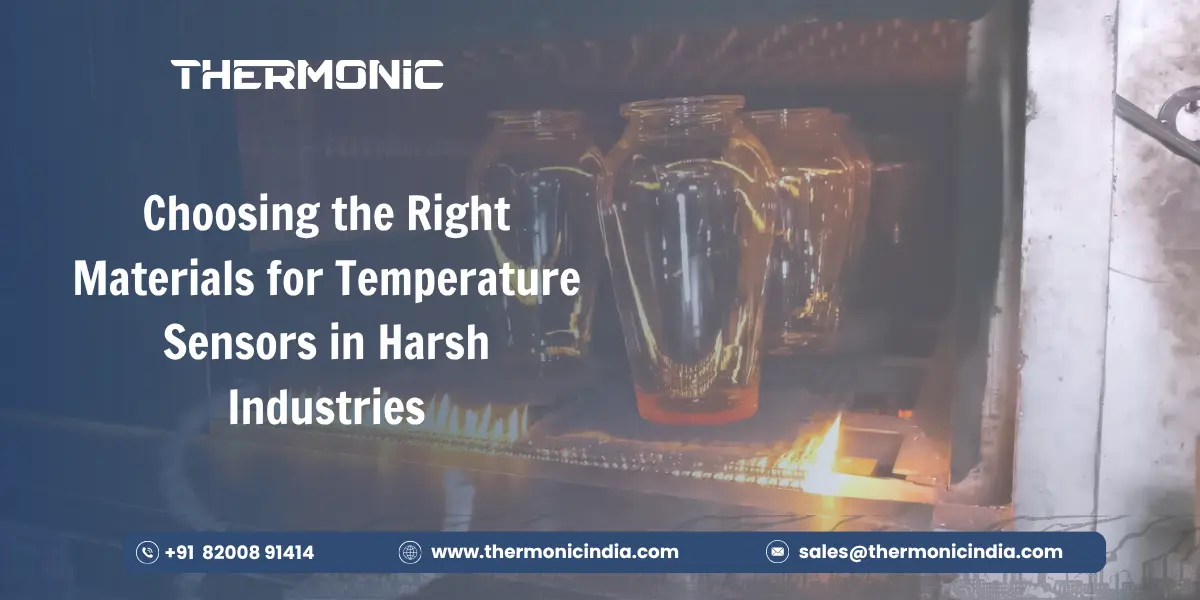
Choosing the Right Materials for Temperature Sensors in Harsh Industries
Summarize this blog post with:


Introduction
In modern industries, accurate temperature measurement is not just important , it’s critical for safety, efficiency, and product quality. Whether you’re operating in oil & gas, chemical processing, power generation, or food manufacturing, the environment often exposes sensors to extreme conditions. This is where choosing the right temperature sensor material becomes a deciding factor in performance and longevity.
A poorly selected material temperature sensor can lead to frequent failures, inaccurate readings, and costly downtime. On the other hand, selecting the correct sheath and construction materials ensures durability, precision, and long-term reliability , even in the harshest environments.
If you’re searching for reliable temperature sensors manufacturers, understanding material selection is the first step toward making a smart investment.
Why Material Selection Matters in Harsh Industrial Environments
Harsh industrial environments can significantly impact the performance of any temperature sensor. The material used in the sensor sheath and construction plays a crucial role in protecting internal elements and ensuring accurate readings.
Extreme conditions impact sensor accuracy and lifespan
Temperature sensors are often exposed to environments that go far beyond normal operating conditions. Without proper material selection, even high-quality sensors can degrade quickly.
Common challenges:
- High temperatures – Continuous exposure to extreme heat can weaken materials
- Corrosion – Chemicals, moisture, and salt can damage sensor surfaces
- Mechanical stress & vibration – Industrial machinery can cause wear and tear
- Pressure fluctuations – Sudden pressure changes can affect sensor integrity
How wrong material choice leads to:
- Sensor failure and frequent replacements
- Increased downtime and maintenance costs
- Safety risks in critical operations
Choosing the right temperature sensor material ensures that your system remains stable, safe, and efficient over time.
Types of Temperature Sensors Used in Harsh Conditions
Different sensor types are designed to handle specific industrial challenges. Selecting the right type, along with the correct material temperature sensor, is essential.
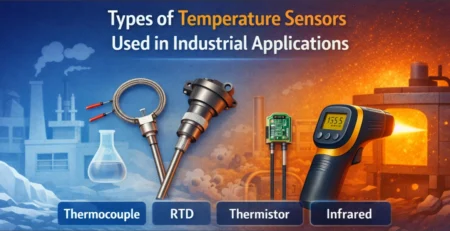
RTDs (Resistance Temperature Detectors)
- Known for high accuracy and repeatability
- Stable performance over long durations
- Commonly used in industries requiring precision
Thermocouples
- Wide temperature range capability
- Durable and rugged design
- Ideal for high-temperature and fast-response applications
Thermistors
- High sensitivity to temperature changes
- Best suited for lower temperature ranges
- Used in controlled environments
Infrared Sensors (Non-contact)
- Measure temperature without physical contact
- Useful in extreme or hazardous environments
- Ideal for moving or inaccessible objects
Key Material Properties to Consider
When selecting a material temperature sensor, it’s important to evaluate the following properties:
Temperature Resistance
- Ability to withstand extreme heat or cold without degradation
Corrosion Resistance
- Protection against chemicals, oxidation, and moisture
Mechanical Strength
- Resistance to vibration, pressure, and physical damage
Thermal Conductivity
- Ensures fast and accurate heat transfer to the sensing element
Response Time
- Influenced by sheath thickness and material type
- Faster response improves process control
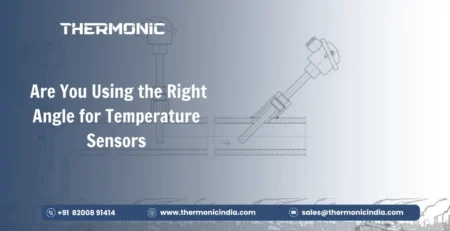
Also Read : Are You Using the Right Angle for Temperature Sensors? A Complete Guide
Best Materials for Temperature Sensors in Harsh Industries
Choosing the right sheath material is critical for both thermocouples and RTDs. Below are the most reliable materials used across industries:
Stainless Steel Alloys (SS304 / SS316 / SS310 / SS321 / SS446)
Stainless steel is one of the most widely used materials in temperature sensors due to its durability and versatility.
- Type 304
- Excellent corrosion resistance
- Ideal for food processing, medical, and general industries
- Type 316
- Enhanced resistance to chlorides and chemicals
- Suitable for marine and chemical applications
- Type 310
- Designed for high-temperature environments
- Used in furnaces and heat treatment systems
- Type 321
- Stabilized for high-temperature applications
- Prevents corrosion in extreme heat
- Type 446
- Excellent oxidation resistance
- Used in furnaces and high-temperature ovens
Inconel
- Delivers reliable performance in high-temperature environments
- Resistant to oxidation and scaling
- Ideal for turbines, furnaces, and exhaust systems
- Performs well under high pressure
Hastelloy
- Superior resistance to aggressive chemicals
- Handles acids and oxidizing environments
- Widely used in chemical and oil & gas industries
Ceramic Materials
- Can withstand ultra-high temperatures
- Excellent electrical insulation properties
- Resistant to chemical corrosion
- Ideal for kilns and furnaces
- Limitation: brittle and requires careful handling
Tantalum
- Extremely resistant to corrosion
- Suitable for highly aggressive chemical processes
- Long lifespan in harsh environments
Platinum
- High accuracy and stability
- Resistant to corrosion and extreme temperatures
- Used in precision and laboratory applications
- Premium cost but superior performance
PTFE (Teflon) Coating
- Non-reactive and chemically inert
- Ideal for corrosive environments
- Common in chemical and pharmaceutical industries
Material Selection Based on Industry Applications
Different industries require different combinations of materials and sensor types.
Oil & Gas
- High pressure and corrosive fluids
- Recommended: Inconel, Hastelloy
Chemical Processing
- Exposure to strong acids and chemicals
- Recommended: PTFE coating, Hastelloy, Tantalum
Power Plants
- High temperature and vibration
- Recommended: Inconel, SS316
Food & Pharma
- Hygiene and corrosion resistance
- Recommended: SS316
Marine
- Saltwater corrosion
- Recommended: SS316 and specialized alloys
Common Mistakes in Material Selection
Even experienced professionals sometimes make costly mistakes when choosing a temperature sensor material.
- Ignoring chemical compatibility
- Choosing low cost over long-term durability
- Not considering response time requirements
- Using improper protective coatings
- Overlooking industry-specific standards
Avoiding these mistakes can significantly improve sensor performance and lifespan.
How Thermonic India Ensures the Right Material Selection
At Thermonic India, we understand that every application is unique. That’s why we focus on delivering customized solutions based on real-world conditions.
- Application-specific material recommendations
- Custom-built solutions for harsh environments
- Strict quality and durability testing
- Expertise across multiple industries
- Wide range of material options
As a trusted temperature sensor supplier, we ensure that every product is designed for maximum reliability and performance.
Key Features to Look for in High-Performance Temperature Sensors
When selecting a sensor, always look beyond just price and consider performance features:
- High durability in extreme environments
- Long operational life
- Minimal maintenance requirements
- Fast and accurate response
- Compatibility with industrial systems
A well-designed material of temperature sensor will not only perform better but also reduce operational risks.
Make the Right Choice for Long-Term Reliability
Choosing the correct temperature sensor material is not just a technical decision , it’s a business decision.
- Reduces downtime and maintenance costs
- Improves process efficiency
- Enhances safety and reliability
Always evaluate the operating environment carefully and select materials that match your application requirements.
Also Read : How to Select the Right Temperature Sensor Cable for Harsh Industrial Conditions
Your Reliable Partner for Temperature Sensor Material Solutions
Not sure which material is right for your industry?
At Thermonic India, we help businesses choose the most suitable solutions based on real operating conditions.
👉 Get expert advice tailored to your application
👉 Explore high-performance industrial solutions
👉 Request a custom quote today
Partner with a reliable temperature sensor supplier and ensure your systems perform flawlessly , even in the harshest environments.