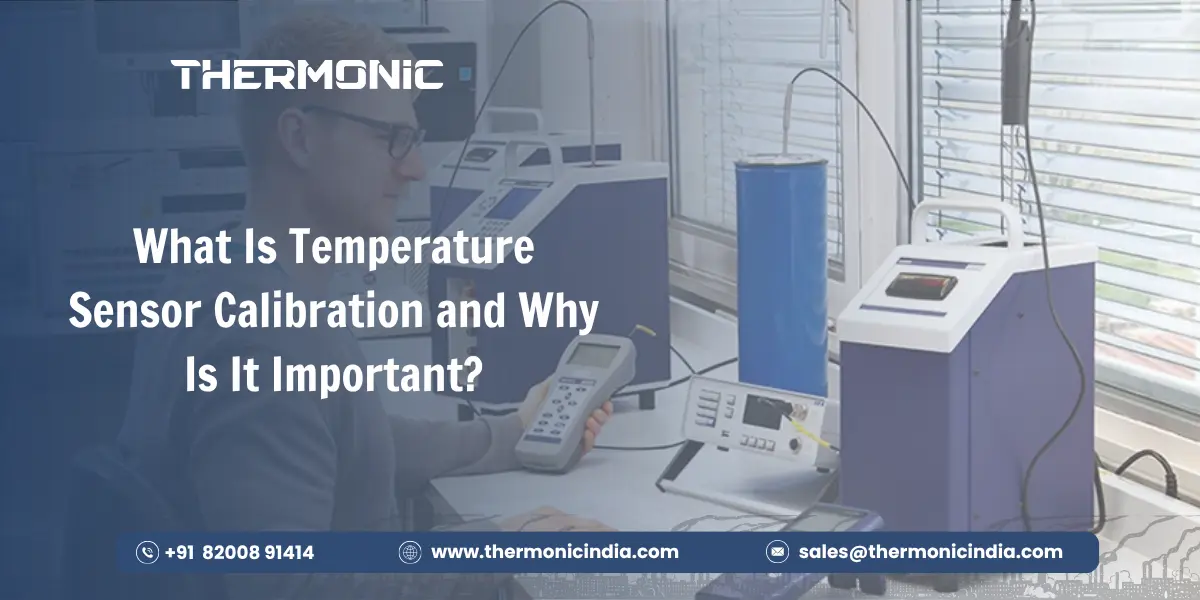
What Is Temperature Sensor Calibration and Why Is It Important?
Introduction
Precise temperature monitoring is essential for maintaining safety, efficiency, and consistent performance in modern industrial operations.From monitoring production lines to protecting sensitive equipment, temperature sensors help industries maintain safety, efficiency, and product quality. Whether it is a chemical plant, food processing unit, pharmaceutical facility, or manufacturing factory, reliable temperature readings are essential for smooth operations. Even a small error in temperature measurement can lead to product defects, equipment damage, increased energy consumption, or safety hazards. This is why industries focus heavily on temperature sensor calibration to ensure precise and dependable readings.
According to research published by MDPI Sensors Journal, temperature sensors account for nearly 50% of all sensors used in industrial and scientific applications, highlighting how critical accurate temperature monitoring has become across industries. The study also explains that inaccurate sensor data can directly impact production quality, operational safety, and energy efficiency.
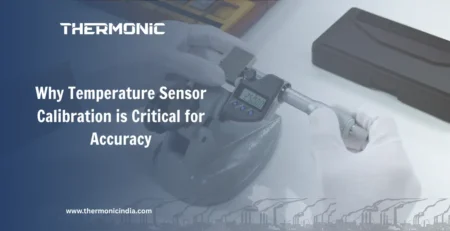
Temperature sensor calibration is the process of verifying and fine-tuning a sensor’s accuracy by comparing its readings with a certified reference source. Over time, sensors can drift from their original accuracy due to aging, environmental conditions, vibration, or continuous exposure to high temperatures. Calibration helps identify these deviations and restore accurate performance.
Industries where calibration is especially important include:
- Manufacturing industries
- Pharmaceutical plants
- Food and beverage processing
- Oil and gas facilities
- HVAC systems
- Power plants
- Chemical industries
As experienced temperature sensors manufacturers, companies understand that accurate calibration is just as important as sensor quality itself. Proper calibration improves operational reliability, product consistency, and compliance with industrial standards.
What Is Temperature Sensor Calibration?
Definition of Calibration
Temperature sensor calibration is the process of verifying a sensor’s accuracy by comparing its readings against a highly accurate reference device under controlled conditions.
In simple terms, calibration checks whether a temperature sensor is showing the correct temperature or not. If the readings differ from the reference value, adjustments or correction factors may be applied.
The calibration of temperature sensor systems ensures that industries receive reliable and repeatable temperature measurements during operations.
Purpose of Temperature Sensor Calibration
The main purpose of calibration is to maintain accurate temperature measurement throughout industrial processes.
Calibration helps to:
- Ensure measurement accuracy
- Detect sensor drift over time
- Maintain consistent production quality
- Improve industrial safety
- Reduce operational errors
- Support regulatory compliance
Without regular industrial temperature sensor calibration, temperature readings can gradually become inaccurate, leading to costly operational issues.
Types of Temperature Sensors That Require Calibration
Different types of sensors require periodic calibration depending on their application and operating environment.
Thermocouples
Thermocouples are widely used in high-temperature industrial applications. They require calibration because prolonged exposure to heat can affect their accuracy.
RTD Sensors
RTD sensors provide highly accurate readings and are commonly used in laboratories and precision industries. Proper rtd temperature sensor calibration ensures long-term stability.
Thermistors
Thermistors are highly sensitive sensors used in electronic equipment and medical devices. Calibration helps maintain precision.
Infrared Temperature Sensors
Infrared sensors measure temperature without physical contact. Regular calibration helps automated systems deliver precise, reliable, and consistent temperature measurements over time.
How Temperature Sensor Calibration Works
Many industries ask, how does temperature sensor calibration work? The process is actually straightforward but requires precision equipment and controlled testing conditions.
Basic Calibration Process
The standard temperature sensor calibration procedure involves several important steps.
Using a Reference Temperature Source
A highly accurate reference instrument is used as the comparison standard.
Comparing Actual vs Measured Temperature
The sensor under test is exposed to controlled temperatures, and its readings are compared with the reference sensor.
Recording Deviations
Any difference between the reference value and the sensor reading is carefully documented.
Adjusting or Correcting Readings
If necessary, adjustments are made to improve accuracy, or correction values are noted in calibration reports.
This entire process forms the foundation of an effective temperature sensor calibration method.
Also Read : How Temperature Sensors Work: A Complete Beginner’s Guide
Common Temperature Sensor Calibration Methods
Different industries use different calibration methods depending on required accuracy and application type.
Dry Block Calibration
Dry block calibration is one of the most widely used industrial methods.
Features:
- Portable and easy to use
- Common in industrial environments
- Suitable for field calibration
- Fast and efficient process
This method uses a heated metal block with precision temperature control.
Liquid Bath Calibration
Liquid bath calibration offers extremely high accuracy.
Features:
- Excellent temperature stability
- Highly accurate readings
- Used in laboratories and research facilities
- Suitable for precision calibration work
This method immerses sensors into a temperature-controlled liquid bath.
Comparison Calibration
In this method, the sensor is compared directly against a certified reference sensor.
Benefits:
- Reliable comparison results
- Cost-effective method
- Suitable for industrial applications
This is a commonly used temperature sensor calibration method for industrial maintenance programs.
Calibration Points
Calibration is usually performed at multiple temperature ranges.
Low-Temperature Point
Checks sensor performance at lower temperatures.
Mid-Range Point
Verifies accuracy during normal operating conditions.
High-Temperature Point
Ensures reliability under extreme temperatures.
Multiple calibration points improve overall measurement confidence and accuracy.
Why Temperature Sensor Calibration Is Important
Ensures Accurate Temperature Measurement
Accurate temperature readings are essential for process control.
Benefits include:
- Prevention of false readings
- Improved production consistency
- Better operational reliability
- Reduced process variations
Even small inaccuracies can significantly impact industrial operations.
Improves Product Quality
Industries like pharmaceuticals and food processing rely on highly accurate temperature control to maintain product quality, safety, and compliance.
Calibration helps:
- Reduce defective products
- Maintain consistent product quality
- Prevent material damage
- Improve customer satisfaction
Proper calibration of rtd temperature sensors is especially important in precision manufacturing environments.
Enhances Industrial Safety
Incorrect temperature readings can create dangerous situations.
Calibration improves safety by:
- Preventing overheating
- Avoiding underheating
- Protecting machinery
- Reducing accident risks
- Improving worker safety
In critical industries, accurate sensors can prevent serious operational failures.
Helps Meet Industry Standards
Many industries must follow strict quality and safety standards.
Calibration supports:
- ISO compliance
- Audit readiness
- Regulatory approvals
- Documentation requirements
Following a proper temperature sensor calibration standard helps industries maintain compliance and operational credibility.
Reduces Downtime and Maintenance Costs
Uncalibrated sensors can cause unexpected process failures.
Benefits of regular calibration:
- Early issue detection
- Reduced equipment failure
- Lower maintenance expenses
- Improved production uptime
Preventive calibration programs help avoid costly shutdowns.
Increases Equipment Efficiency
Accurate temperature control improves overall system performance.
Advantages include:
- Better energy efficiency
- Optimized process control
- Reduced wastage
- Improved equipment lifespan
Reliable sensors contribute directly to operational efficiency.
What Happens If Sensors Are Not Calibrated?
Ignoring calibration can create serious industrial problems.
Common Problems in calibration of temperature sensors
Inaccurate Readings
Incorrect measurements affect process reliability.
Process Inconsistency
Temperature fluctuations can impact product quality.
Product Rejection
Defective products may fail quality checks.
Equipment Damage
Improper temperature control can harm machinery.
Real Industrial Risks
Food Spoilage
Incorrect cooling or heating temperatures can damage food products.
Pharmaceutical Batch Failures
Temperature-sensitive medicines may become unusable.
Furnace Overheating
Industrial furnaces may operate unsafely.
Production Downtime
Unexpected sensor failures can stop operations completely.
These risks highlight the importance of regular industrial temperature sensor calibration.
Signs Your Temperature Sensor Needs Calibration
Several warning signs indicate that calibration may be necessary.
Common Signs Your Temperature Sensor Needs Calibration Include:
- Unstable or fluctuating readings
- Slow sensor response time
- Differences between multiple sensors
- Unexpected process temperature changes
- Long-term sensor usage
- Exposure to harsh environments
If any of these issues appear, industries should immediately perform a temperature sensor calibration procedure.
How Often Should Temperature Sensors Be Calibrated?
Calibration frequency depends on several factors.
Factors Affecting Calibration Frequency
Operating Environment
Harsh industrial conditions may require frequent calibration.
Temperature Range
Extreme temperatures can accelerate sensor drift.
Usage Frequency
Continuous operation increases wear on sensors.
Industry Standards
Some industries require mandatory calibration intervals.
Recommended Calibration Intervals
Typical calibration schedules include:
- Every 6 months
- Once per year
- After extreme temperature exposure
- After sensor repair
- After equipment replacement
Critical applications may require more frequent calibration.
Calibration Standards and Certifications
Common Standards
Industries follow recognized standards for calibration accuracy and traceability.
Important Standards Include:
- ISO standards
- NABL traceability
- Industry-specific regulations
- International calibration guidelines
Following a proper temperature sensor calibration standard ensures reliable and repeatable measurement performance.
Importance of Calibration Certificates
Calibration certificates provide official proof of testing and accuracy.
Benefits:
- Quality assurance documentation
- Audit support
- Traceability records
- Regulatory compliance evidence
These certificates are especially important in pharmaceutical and food industries.
Also Read : Choosing the Right Materials for Temperature Sensors in Harsh Industries
Choosing the Right Calibration Partner
Selecting the right calibration provider is essential for maintaining measurement accuracy.
What to Look For
Industry Experience
Experienced providers understand industrial challenges better.
Certified Calibration Procedures
Proper documentation and standards are essential.
Traceable Equipment
Reference instruments should be certified and traceable.
Fast Turnaround Time
Quick calibration reduces operational downtime.
Why Manufacturers Matter
Working directly with sensor manufacturers offers several advantages.
Benefits Include:
- Better technical understanding
- Accurate calibration support
- Customized sensor solutions
- Reliable after-sales service
Trusted manufacturers can provide both high-quality sensors and expert calibration guidance.
Looking for Trusted Temperature Sensor Calibration for Your Industry?
Temperature measurement accuracy is critical for modern industrial operations. Even minor temperature errors can impact product quality, safety, compliance, and operational efficiency. This is why temperature sensor calibration plays such an important role across industries.
Regular calibration helps industries maintain accurate readings, improve product consistency, reduce downtime, and comply with international standards. Whether it is rtd temperature sensor calibration, thermocouple testing, or complete industrial temperature sensor calibration, maintaining sensor accuracy is essential for reliable operations.
A proper temperature sensor calibration procedure not only improves measurement confidence but also protects equipment and enhances long-term process performance.
As a trusted temperature sensor supplier, Thermonic India provides high-quality industrial temperature sensors designed for reliable and accurate performance across demanding applications.
If you are looking for calibration-ready thermocouples, RTD sensors, or customized temperature measurement solutions, contact Thermonic India today for expert support and dependable industrial sensing solutions.