Top-Rated PT100 RTD Sensors for Accurate Temperature Measurement
Reliable temperature monitoring plays a key role in maintaining product quality, improving process performance, and ensuring safe industrial operations.
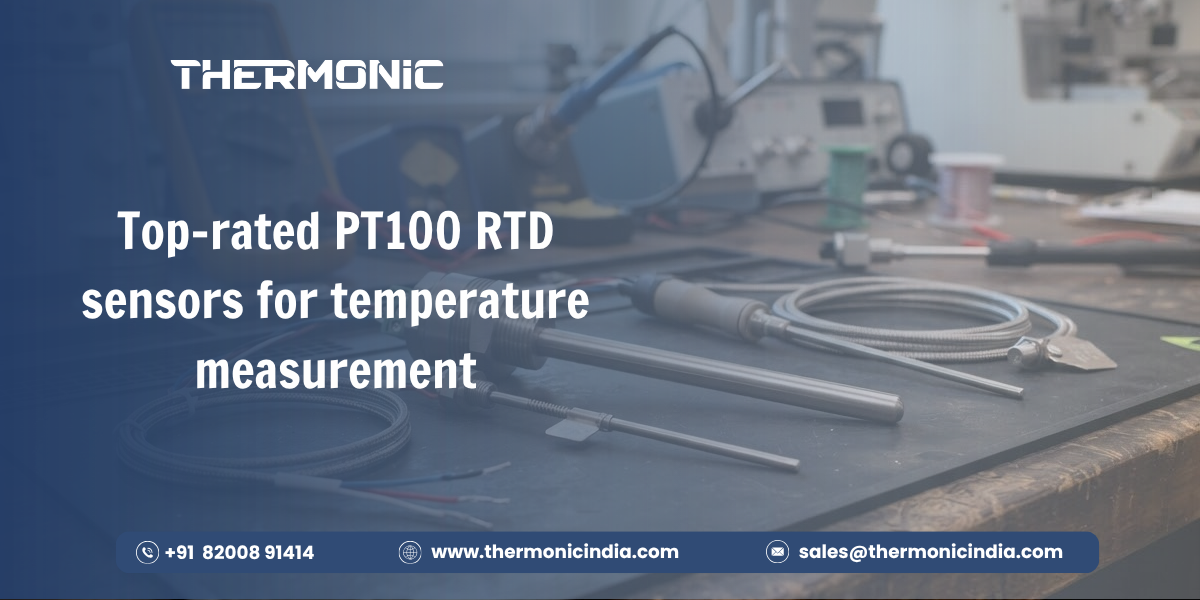
Reliable temperature monitoring plays a key role in maintaining product quality, improving process performance, and ensuring safe industrial operations.
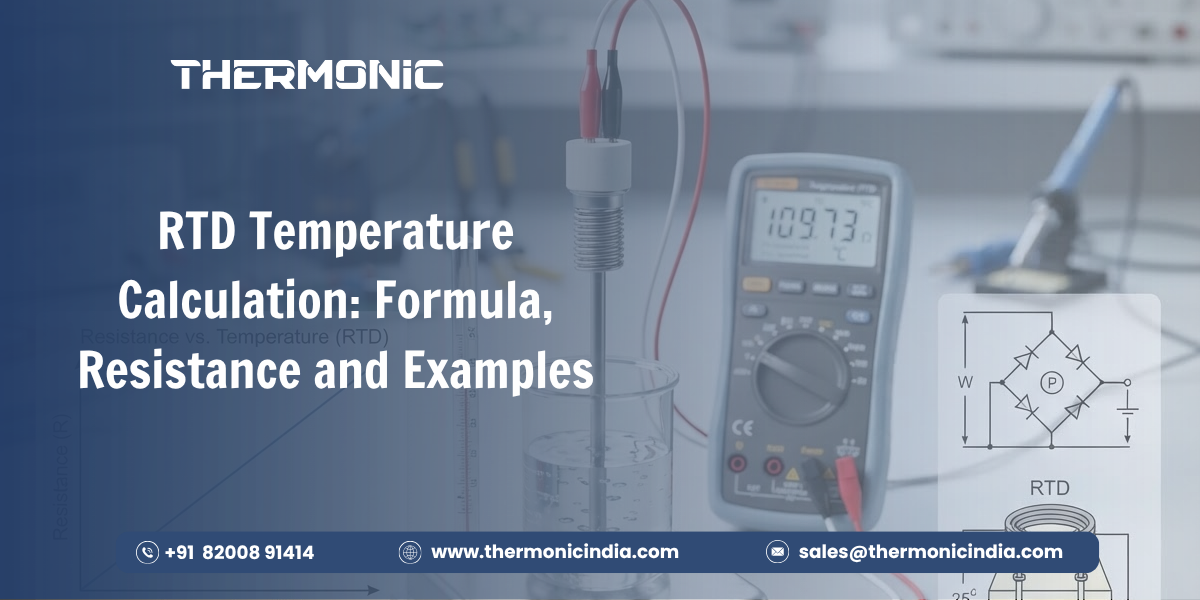
Temperature measurement plays an important role in process control, equipment protection and product quality.
A digital temperature gauge can be purchased online in India from industrial temperature instrument manufacturers, specialised suppliers and B2B marketplaces.
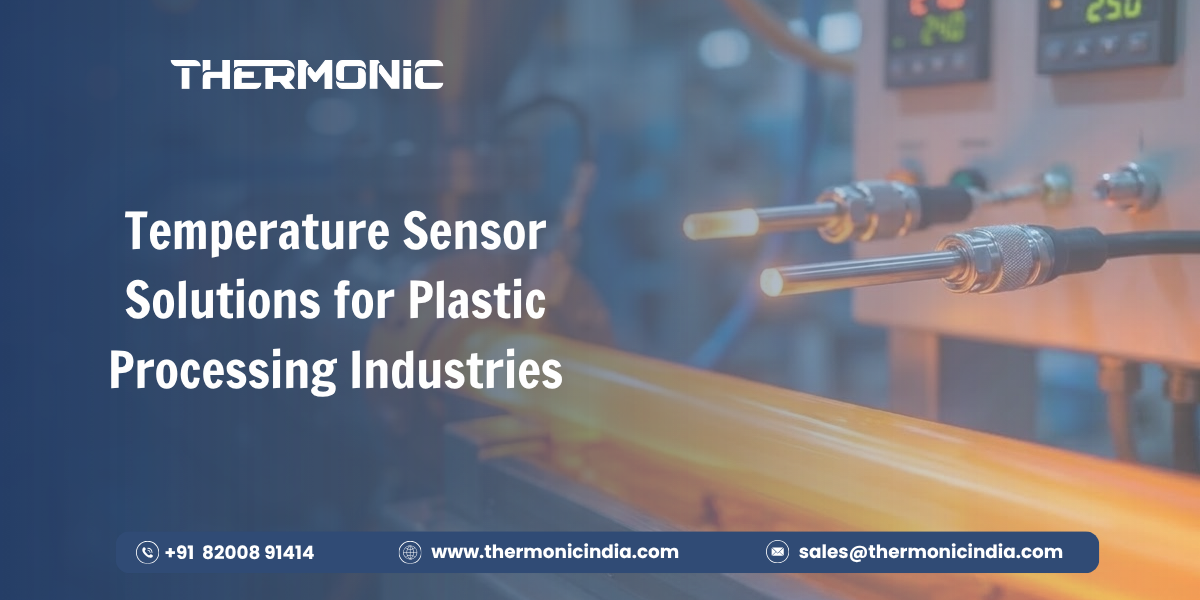
Different plastic processing machines require different temperature measurement technologies. Two of the most widely used options are thermocouples and RTD sensors.
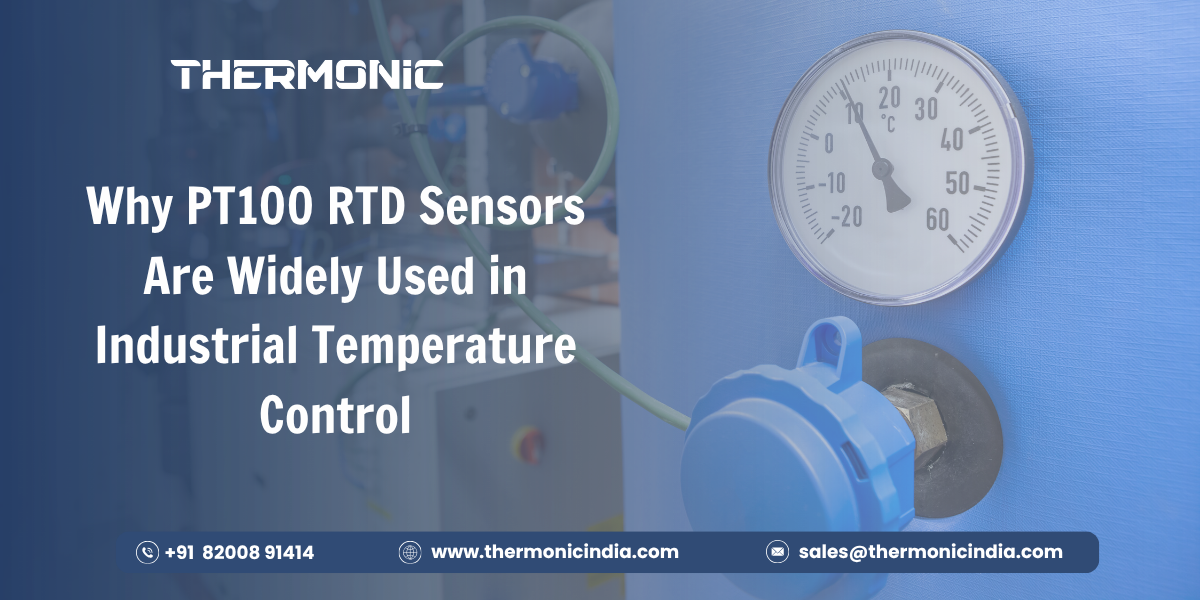
Accurate temperature measurement is essential for maintaining quality, safety, efficiency, and process stability across modern industrial operations

Imagine investing in a high-quality temperature sensor only to discover that inaccurate readings, signal loss, or frequent maintenance issues are affecting your production process.
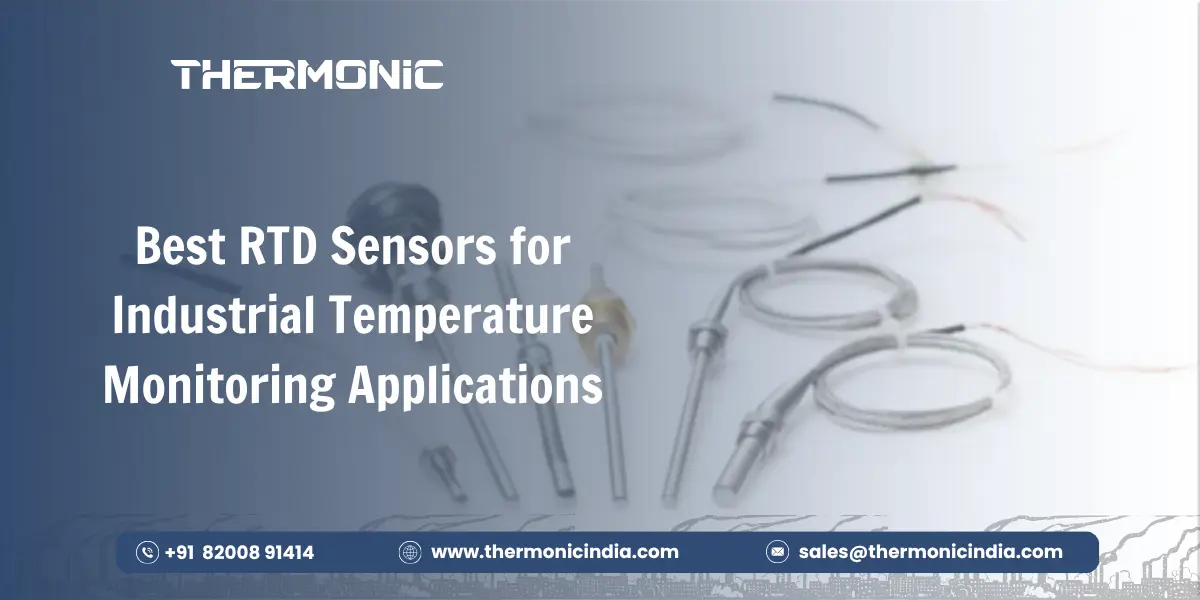
Among the many temperature sensing technologies available today, Resistance Temperature Detectors (RTDs) are widely recognized for their exceptional accuracy, stability, and repeatability.

Temperature measurement plays a critical role in modern industries where precision, safety, and efficiency directly impact production quality.

One such often-overlooked issue is RTD self-heating error , a hidden factor that can compromise measurement accuracy if not properly addressed.
As the demand for high-quality RTD temperature sensors grows, the choice of your supplier becomes more critical than ever.