Temperature Sensor Maintenance Checklist for Reliable Industrial Performance
Summarize this blog post with:


Introduction
In modern industrial environments, temperature sensors are among the most critical components for maintaining safe, efficient, and consistent operations. From manufacturing plants and pharmaceutical facilities to food processing units and power generation industries, accurate temperature measurement directly impacts product quality, equipment reliability, and operational efficiency. Even a small deviation in temperature readings can lead to production defects, increased energy consumption, equipment damage, or costly downtime.
Neglecting routine maintenance of temperature sensors can cause sensor drift, inaccurate measurements, calibration failures, and unexpected equipment breakdowns. According to the U.S. Department of Energy, predictive and preventive maintenance programs can reduce equipment costs by 25% breakdowns by up to 70% and lower maintenance.
A structured temperature sensor maintenance checklist helps maintenance teams detect issues before they become major failures. Regular inspection, cleaning, calibration, and testing ensure sensors continue delivering precise measurements throughout their service life while minimizing production interruptions.
Whether you’re planning to buy temperature sensor products for a new facility or looking to improve your existing temperature sensor monitoring system, this guide provides a practical maintenance checklist for maximizing industrial performance. It also explains common sensor problems, recommended maintenance schedules, and best practices that every maintenance team should follow. As one of the leading temperature sensors manufacturers, Thermonic India understands that preventive maintenance is just as important as selecting the right sensing technology.
Why Regular Temperature Sensor Maintenance Matters
Ensures Accurate Temperature Measurements
Industrial processes depend on precise temperature measurements to maintain consistency and meet quality standards. Even slight inaccuracies can affect chemical reactions, food safety, pharmaceutical production, and machine performance. Regular maintenance prevents sensor drift and ensures measurements remain within acceptable tolerances.
Routine calibration verifies that the sensor continues to perform according to specifications. Cleaning contaminants from sensing elements also improves response accuracy and prevents false readings caused by buildup or corrosion.
Consistent temperature monitoring supports regulatory compliance, improves product quality, reduces waste, and helps maintain stable production processes.
Reduces Unexpected Equipment Downtime
Unexpected sensor failures often cause production delays and emergency shutdowns. Preventive inspections identify worn cables, loose connections, moisture intrusion, or damaged sensing elements before complete failure occurs.
Scheduled maintenance allows repairs to be completed during planned shutdowns instead of costly emergency maintenance. This proactive approach significantly improves plant productivity and minimizes disruptions to manufacturing operations.
Reliable sensors also reduce false alarms and unnecessary equipment stoppages caused by inaccurate temperature readings.
Extends Sensor Service Life
Industrial sensors operate in demanding environments exposed to vibration, chemicals, dust, moisture, and extreme temperatures. Regular inspection protects these components from premature wear.
Cleaning, proper installation, timely calibration, and replacing damaged accessories help extend service life while maintaining measurement accuracy.
Longer-lasting sensors reduce replacement frequency and lower overall operating costs.
Common Problems Caused by Poor Temperature Sensor Maintenance
Poor maintenance often results in several preventable problems that reduce system reliability.
One of the most common issues is sensor drift, where readings gradually become inaccurate over time due to aging or prolonged exposure to harsh conditions.
Corrosion and contamination can damage sensing elements, reducing responsiveness and measurement precision. Loose electrical connections create intermittent signals, while damaged cables and deteriorated insulation increase the risk of inaccurate readings or complete signal loss.
Moisture ingress frequently causes internal corrosion and electrical shorts, especially in outdoor or washdown environments. Excessive mechanical vibration may damage sensor probes or mounting hardware, while neglected calibration eventually leads to significant measurement errors.
Working with reliable temperature sensors suppliers in India ensures access to high-quality sensors designed for demanding industrial applications, but regular maintenance remains essential for long-term performance.
Also Read : How to Select the Right Conductor Size for RTD Sensors and Thermocouples
Complete Temperature Sensor Maintenance Checklist
Visual Inspection
Begin every maintenance routine with a thorough visual inspection.
Check the sensor body for cracks, dents, discoloration, or physical damage. Inspect protective sheaths for signs of wear, corrosion, or process contamination. Verify that mounting brackets remain secure and properly aligned.
Early detection of visible damage prevents more serious operational failures.
Inspect Wiring and Connections
Examine all electrical wiring carefully.
Tighten loose terminals, inspect cable insulation for cracks or wear, and replace damaged wiring immediately. Look for exposed conductors, corroded connectors, or broken cable glands that could compromise signal integrity.
Proper electrical connections ensure stable sensor performance.
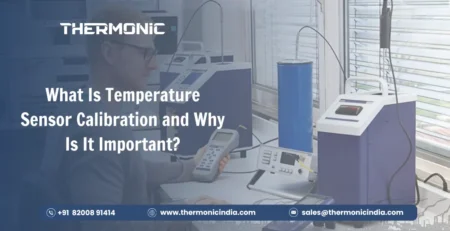
Verify Sensor Calibration
Calibration is one of the most important maintenance tasks.
Compare sensor readings with a certified reference instrument. If deviations exceed allowable limits, recalibrate according to manufacturer recommendations. Document calibration results for future comparison and compliance requirements.
Accurate calibration maintains process consistency.
Clean the Sensor Properly
Dust, scale, oil, and chemical deposits reduce sensor accuracy.
Use cleaning methods recommended by the manufacturer, avoiding abrasive materials that may damage sensitive sensing elements. Proper cleaning restores response time and improves measurement reliability.
Check Thermowells and Mounting Hardware
Inspect thermowells for corrosion, erosion, cracks, or thinning walls.
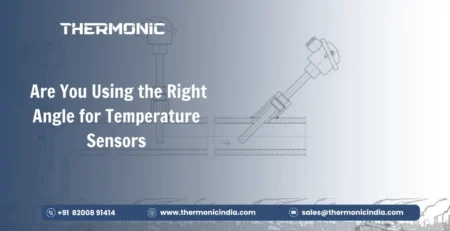
Verify correct immersion depth and ensure mounting hardware remains tight. Proper installation maximizes heat transfer and measurement accuracy.
Test Sensor Response Time
Measure how quickly the sensor responds to changing temperatures.
Slow response often indicates contamination, aging, or internal damage. Replace sensors that no longer meet required response specifications.
Verify Environmental Protection
Inspect seals, gaskets, cable entries, and enclosure integrity.
Ensure IP-rated enclosures remain properly sealed against moisture, dust, and contaminants. Environmental protection significantly extends sensor lifespan.
Review Historical Maintenance Records
Analyze previous inspection reports and calibration records.
Identifying recurring issues helps maintenance teams schedule preventive replacements before failures occur, improving overall reliability.
Maintenance Checklist for Different Temperature Sensor Types
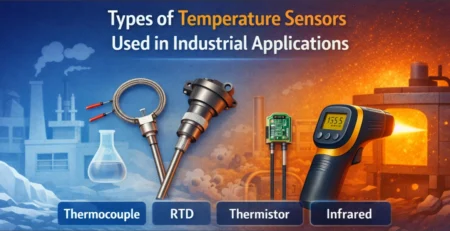
Thermocouples
Inspect thermocouple junctions for oxidation, corrosion, or contamination. Check extension cables for correct polarity and damage. Verify cold junction compensation accuracy to maintain reliable measurements across varying ambient temperatures.
RTD Sensors
Measure resistance values using calibrated instruments. Inspect lead wires for mechanical damage and verify insulation resistance to prevent leakage currents that may affect accuracy.
Thermistors
Confirm resistance values remain within specified tolerances. Inspect protective encapsulation for cracks and check for moisture penetration that could alter sensor performance.
Infrared Temperature Sensors
Clean optical lenses using approved cleaning materials. Verify alignment with the target surface and ensure the field of view remains unobstructed for accurate non-contact temperature measurement.
Selecting the right temperature sensing solutions for each application simplifies maintenance while improving measurement reliability.
Recommended Temperature Sensor Maintenance Schedule
Daily Checks
Perform quick visual inspections for physical damage or contamination. Verify displayed temperature readings appear reasonable and investigate abnormal values immediately.
Weekly Checks
Inspect wiring connections, cable routing, and connector integrity. Clean accessible sensors to remove dust, dirt, or process residue before buildup affects measurement accuracy.
Monthly Checks
Conduct functional performance testing and inspect mounting hardware for looseness or mechanical damage. Confirm sensors remain securely installed.
Quarterly Checks
Verify calibration using certified reference instruments. Compare current performance against historical records to identify developing issues before they affect production.
Annual Maintenance
Complete comprehensive calibration, replace worn or damaged components, inspect thermowells, update maintenance documentation, and review preventive maintenance procedures for continuous improvement.
Best Practices for Reliable Temperature Sensor Performance
Reliable sensor performance begins with following manufacturer installation and maintenance recommendations. Proper sensor placement ensures accurate heat transfer and representative process measurements.
Protect sensors from excessive vibration, chemicals, moisture, and mechanical impact whenever possible. Maintain accurate calibration records to support quality audits and regulatory compliance.
Train maintenance personnel on inspection techniques, calibration procedures, and troubleshooting methods. Replace aging sensors before complete failure occurs rather than waiting for unexpected breakdowns.
When organizations buy temperature sensor products, choosing high-quality industrial-grade devices significantly improves long-term reliability while reducing maintenance frequency.
Signs Your Temperature Sensor Needs Immediate Replacement
Several warning signs indicate that maintenance alone is no longer sufficient.
Unstable or fluctuating readings often suggest internal sensor damage. Frequent calibration failures indicate the sensing element can no longer maintain accuracy. Physical damage such as bent probes, cracked insulation, or severe corrosion usually requires immediate replacement.
Slow response time reduces process control effectiveness, while intermittent signal loss may point to internal electrical failures. Complete sensor failure obviously requires prompt replacement to restore safe and reliable operation.
Ignoring these warning signs increases production risks and maintenance costs.
How Preventive Maintenance Improves Industrial Performance
Preventive maintenance delivers measurable improvements across industrial operations.
Accurate sensors improve process efficiency by maintaining optimal operating temperatures. Stable temperature control enhances product quality and minimizes production defects. Scheduled maintenance reduces emergency repairs, lowering overall maintenance costs.
Reliable temperature measurement minimizes production downtime, increases equipment reliability, and supports workplace safety by preventing overheating, equipment failure, and hazardous operating conditions.
Organizations using advanced temperature sensor monitoring system technology combined with preventive maintenance gain greater visibility into equipment health, enabling predictive maintenance strategies that further improve operational efficiency.
Also Read : How to Choose the Right Pressure Transmitter for Your Application
Partner with Thermonic India for Reliable Temperature Sensor Maintenance Solutions
Routine maintenance is essential for ensuring accurate temperature measurement, extending sensor lifespan, and preventing costly production interruptions. Following a structured preventive maintenance checklist helps industries maintain process stability, improve product quality, reduce maintenance expenses, and maximize equipment reliability.
If your facility is looking for dependable industrial temperature measurement products or customized sensing systems, Thermonic India offers a complete range of high-performance solutions designed for demanding industrial applications.
As a trusted industrial temperature sensor factory, Thermonic India manufactures premium-quality industrial temperature sensors, thermocouples, RTDs, thermowells, and customized temperature sensing solutions tailored to diverse industries. Whether you need expert guidance, want to upgrade your temperature sensor monitoring system, or plan to buy temperature sensor products for a new project, our experienced team is committed to delivering reliable, accurate, and durable solutions that help your business achieve long-term operational excellence.
Contact Thermonic India today to discover industry-leading temperature measurement solutions built for precision, durability, and performance.