How to Extend the Life of Industrial Thermocouples
Industrial thermocouples play a critical role in temperature monitoring, process automation, and equipment protection across a wide range of industries. Whether used in manufacturing plants, chemical processing facilities, power generation, or food production, these temperature sensors ensure accurate process control and operational efficiency.
However, poor installation, harsh operating conditions, and improper maintenance can significantly reduce thermocouple life, leading to inaccurate readings, unexpected downtime, increased maintenance costs, and reduced productivity. Choosing a reliable industrial thermocouple manufacturer and following best practices for installation and maintenance can dramatically improve thermocouple life expectancy while minimizing replacement costs.
In this guide, you’ll learn the most common causes of thermocouple failure, how to choose the right sensor for your application, maintenance practices that extend service life, and why partnering with trusted top thermocouple manufacturers and suppliers is essential for long-term performance.
Why Industrial Thermocouple Lifespan Matters
The Role of Thermocouples in Industrial Operations
Industrial thermocouples are among the most widely used temperature sensors because of their durability, fast response time, and broad operating temperature range. They support critical industrial processes by:
- Providing continuous temperature monitoring
- Enabling process automation and quality control
- Improving equipment safety and efficiency
- Reducing energy waste
- Supporting consistent product quality
Without reliable temperature measurement, even small temperature deviations can affect production quality and equipment performance.
The Cost of Premature Thermocouple Failure
A failed thermocouple impacts much more than temperature readings. Common consequences include:
- Production interruptions
- Increased replacement expenses
- Lower product quality
- Unexpected maintenance shutdowns
- Reduced equipment reliability
Extending thermocouple life expectancy helps companies lower operating costs while improving overall plant efficiency.
Common Causes of Industrial Thermocouple Failure
Understanding why thermocouples fail is the first step toward increasing their lifespan.
Excessive Operating Temperatures
Operating a thermocouple beyond its recommended temperature range accelerates material degradation. Continuous overheating weakens sensor wires and insulation, reducing accuracy and shortening service life.
Always select a thermocouple designed for your operating temperature.
Chemical Corrosion and Oxidation
Industrial environments often expose sensors to:
- Corrosive gases
- Acids
- Alkalis
- Steam
- Moisture
These contaminants gradually damage protective sheaths and sensing elements. Oxidation also affects thermocouple alloys, leading to calibration drift.
Mechanical Damage
Mechanical stress is another common cause of failure. Examples include:
- Continuous vibration
- Abrasion against machinery
- Improper bending
- Mishandling during installation
Mechanical damage can break internal wires or compromise protective sheaths.
Thermal Cycling
Frequent heating and cooling cycles cause expansion and contraction of thermocouple materials. Over time, this results in metal fatigue, reducing measurement accuracy and overall durability.
Electrical Noise and Wiring Issues
Electrical problems often create unstable temperature readings.
Common issues include:
- Loose terminal connections
- Damaged extension cables
- Signal interference
- Poor grounding
Using proper wiring practices helps maintain measurement accuracy.
Also Read : How to Select the Right Conductor Size for RTD Sensors and Thermocouples
Choose the Right Thermocouple for Your Application
Selecting the correct thermocouple is one of the most effective ways to maximize thermocouple life.
Select the Correct Thermocouple Type
Different thermocouple types are designed for different operating conditions.
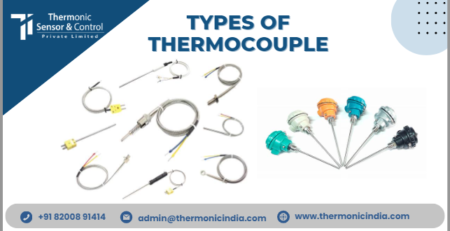
K Type
- Wide temperature range
- Excellent oxidation resistance
- Most common industrial choice
J Type
- Suitable for lower-temperature applications
- Ideal for reducing atmospheres
T Type
- Excellent accuracy at low temperatures
- Common in laboratories and food processing
N Type
- Improved stability at high temperatures
- Better resistance to oxidation than Type K
Type R, S, and B
- Platinum-based thermocouples
- Ideal for extremely high-temperature industrial processes
- Used in glass, steel, and furnace applications
A knowledgeable thermocouple sensors manufacturer can help determine the best sensor for your process.
Consider the Process Environment
Selection should also consider:
- Operating temperature range
- Corrosive atmosphere
- Pressure conditions
- Moisture exposure
- Chemical compatibility
Matching the thermocouple to the environment significantly improves lifespan.
Select the Appropriate Sheath Material
Protective sheaths safeguard thermocouples from harsh conditions.
Common sheath materials include:
SS304
- General industrial use
- Good corrosion resistance
SS316
- Superior chemical resistance
- Suitable for food and pharmaceutical industries
Inconel
- Excellent for high temperatures
- Resistant to oxidation and corrosion
Ceramic Protection Tubes
- Ideal for extreme temperatures
- Excellent insulation in furnace applications
Best Installation Practices to Increase Thermocouple Life
Correct installation directly influences service life.
Install at the Correct Depth
Proper immersion length ensures accurate readings while preventing unnecessary exposure.
Best practices include:
- Follow recommended immersion depth
- Avoid partial exposure
- Position the sensing junction correctly
Prevent Mechanical Stress
Mechanical strain should always be minimized.
Recommendations include:
- Secure cable routing
- Stable mounting
- Avoid excessive bending
- Prevent cable movement caused by vibration
Use Quality Connectors and Extension Cables
Always use matching thermocouple extension wire.
Benefits include:
- Accurate signal transmission
- Reduced electrical resistance
- Improved measurement stability
- Longer sensor life
Essential Maintenance Tips for Industrial Thermocouples
Preventive maintenance greatly extends thermocouple life expectancy.
Perform Regular Visual Inspections
Inspect thermocouples for:
- Cracks
- Corrosion
- Loose fittings
- Damaged insulation
- Bent probes
Early detection prevents unexpected failures.
Clean Sensors Carefully
Dust, scale, and process deposits reduce sensor performance.
Use non-abrasive cleaning methods while protecting the sheath from damage.
Check Calibration Periodically
Routine calibration ensures accurate measurements.
Establish a calibration schedule based on:
- Operating conditions
- Process criticality
- Manufacturer recommendations
Replace Damaged Components Promptly
Replace worn or damaged:
- Connectors
- Extension cables
- Protective tubes
- Terminal blocks
Replacing inexpensive components early often prevents complete sensor failure.
Protect Thermocouples from Harsh Industrial Conditions
Industrial environments are demanding, but proper protection extends service life considerably.
Use Thermowells
Thermowells provide:
- Mechanical protection
- Isolation from process fluids
- Easier sensor replacement
- Reduced maintenance downtime
They are especially valuable in high-pressure systems.
Shield Against Electrical Interference
Electrical noise affects measurement accuracy.
Protection methods include:
- Proper grounding
- Shielded extension cables
- Separation from power cables
- Quality signal transmitters
Protect Against Moisture and Dust
Moisture intrusion causes corrosion and electrical problems.
Improve protection through:
- Sealed junctions
- Weatherproof connectors
- IP-rated enclosures
- Proper cable glands
Signs Your Industrial Thermocouple Needs Replacement
Even well-maintained thermocouples eventually wear out.
Common warning signs include:
Inconsistent Temperature Readings
Erratic measurements often indicate deteriorating sensor wires or electrical issues.
Slow Response Time
A sluggish response usually results from contamination or damaged sensing elements.
Frequent Calibration Drift
Repeated calibration adjustments suggest the thermocouple is nearing the end of its service life.
Physical Damage
Visible cracks, bent probes, corrosion, or broken insulation require immediate replacement.
Increased Process Variations
Unexpected temperature fluctuations affecting product quality may point to sensor degradation.
Benefits of Extending the Life of Industrial Thermocouples
Proper selection, installation, and maintenance deliver significant operational benefits.
These include:
- Lower maintenance costs
- Improved process reliability
- Reduced equipment downtime
- Better temperature accuracy
- Increased equipment lifespan
- Higher production efficiency
- Greater operational safety
- Improved product consistency
Long-lasting thermocouples contribute directly to higher productivity and reduced operating expenses.
Mistakes That Shorten Thermocouple Lifespan
Avoid these common errors:
- Selecting the wrong thermocouple type
- Ignoring routine maintenance
- Improper installation practices
- Exceeding recommended temperature limits
- Using incompatible extension wires
- Skipping calibration intervals
- Exposing sensors to excessive vibration
- Choosing low-quality replacement sensors
Working with experienced top thermocouple manufacturers and suppliers helps avoid these costly mistakes.
Industries That Benefit from Long-Lasting Industrial Thermocouples
Reliable thermocouples improve performance across many industries, including:
- Oil & Gas
- Chemical Processing
- Pharmaceuticals
- Food & Beverage
- Steel Manufacturing
- Glass Industry
- Power Generation
- Cement Plants
- Plastic Processing
Each industry depends on precise temperature control to ensure safety, product quality, and process efficiency.
Why Choose Thermonic India for Industrial Thermocouples
High-Quality Manufacturing
Thermonic India manufactures precision-engineered industrial thermocouples using premium materials that deliver excellent accuracy, durability, and long service life.
Customized Temperature Solutions
Every application has unique requirements.
Thermonic India offers:
- Application-specific thermocouple designs
- Multiple sheath material options
- Various sensor configurations
- Custom dimensions
- Industry-specific solutions
Reliable Industrial Performance
Customers benefit from:
- High measurement accuracy
- Long-lasting performance
- Fast manufacturing and delivery
- Expert technical support
- Reliable after-sales service
As a trusted thermocouple sensors manufacturer, Thermonic India provides dependable temperature sensing solutions for demanding industrial applications.
Also Read : Thermocouple Wire Types and Their Importance in Temperature Measurement
Maximize the Performance and Lifespan of Your Industrial Thermocouples
Extending the life of industrial thermocouples starts with choosing the correct sensor, installing it properly, protecting it from harsh operating conditions, and following a consistent maintenance schedule. Investing in high-quality thermocouples reduces downtime, improves temperature accuracy, enhances process reliability, and lowers long-term operating costs.
If you’re searching for dependable industrial temperature sensors or even looking online for thermocouple suppliers near me, choose a partner with proven expertise and a commitment to quality. Thermonic India offers precision-engineered thermocouples, customized temperature sensing solutions, and expert technical guidance to meet the demands of diverse industrial applications.
Contact Thermonic India today to discuss your temperature measurement requirements and discover durable, high-performance thermocouple solutions designed to maximize efficiency and extend equipment life.