Why Your Temperature Sensor Is Giving Wrong Readings
Summarize this blog post with:


Accurate temperature sensor readings are the foundation of safe, efficient, and reliable industrial operations. Whether you are monitoring a chemical reactor, food processing line, boiler, furnace, pharmaceutical plant, or manufacturing equipment, even a small error in temperature sensor reading can affect product quality, increase energy consumption, cause equipment damage, and lead to costly production downtime.
Many industries assume a faulty reading always means the sensor has failed. In reality, incorrect readings can result from installation errors, wiring issues, calibration drift, environmental conditions, or selecting the wrong sensor for the application. Identifying the real cause early can save significant maintenance costs and prevent unexpected process interruptions.
Leading temperature sensors manufacturers recommend routine inspection, calibration, and proper installation to maintain reliable measurement performance throughout the sensor’s service life.
In this guide, we’ll explain the most common reasons why temperature sensors produce inaccurate readings, how to troubleshoot these problems, and the best practices to prevent them in industrial applications.
Why Accurate Temperature Sensor Readings Matter
Industrial temperature measurement is much more than displaying a number on a controller. It directly influences production quality, operational efficiency, equipment reliability, and workplace safety.
Product Quality
Many manufacturing processes require precise temperature control.
Examples include:
- Plastic moulding
- Pharmaceutical manufacturing
- Food processing
- Metal heat treatment
- Chemical processing
Even slight temperature deviations may result in rejected products or inconsistent quality.
Process Efficiency
Reliable sensors help operators maintain the correct operating temperature throughout production.
Benefits include:
- Stable process control
- Reduced energy consumption
- Faster production cycles
- Improved machine efficiency
- Lower maintenance costs
Equipment Protection
Incorrect temperature readings may prevent equipment from operating within safe limits.
This can lead to:
- Overheating
- Premature component failure
- Reduced equipment life
- Emergency shutdowns
Safety and Regulatory Compliance
Industries such as pharmaceuticals, food processing, and chemicals rely on accurate temperature monitoring to meet quality standards and maintain safe operating conditions.
Poor measurement accuracy can increase operational risks and create compliance challenges.
Cost of Inaccurate Temperature Measurements
| Issue | Possible Business Impact |
| Incorrect process temperature | Product rejection |
| Sensor drift | Reduced efficiency |
| False alarms | Unnecessary maintenance |
| Undetected overheating | Equipment damage |
| Process shutdown | Production losses |
| Poor control accuracy | Increased operating costs |
Common Reasons Your Temperature Sensor Is Giving Wrong Readings
Understanding the root cause is the first step toward solving inaccurate temperature measurement.
Incorrect Sensor Placement
Sensor location has a significant influence on measurement accuracy.
Common installation mistakes include:
- Installing the sensor too close to a heating element
- Positioning near cooling airflow
- Insufficient immersion depth
- Incorrect mounting angle
- Measuring surface temperature instead of process temperature
Industrial Example
A thermocouple installed directly beside an industrial heater may measure the heater’s surface temperature rather than the actual process temperature inside the vessel.
The result is misleading process control and unstable production.
Sensor Calibration Issues
All industrial sensors gradually lose calibration over time.
Factors contributing to calibration drift include:
- Continuous high-temperature exposure
- Mechanical stress
- Aging sensing elements
- Long operating hours
Without periodic calibration, readings become increasingly inaccurate.
Signs of Calibration Drift
- Readings slowly become inconsistent
- Product quality begins to vary
- Multiple sensors show different values
- Process controllers require frequent adjustments
Regular calibration helps maintain reliable temperature measurement and reduces unexpected process deviations.
Damaged Sensor Element
Industrial environments expose sensors to demanding operating conditions.
Physical damage is one of the most common reasons for incorrect temperature sensor readings.
Possible causes include:
- Mechanical impact
- Excessive vibration
- Thermal shock
- Corrosion
- Moisture entering the sensor
- Protective sheath damage
Once the sensing element is compromised, measurement accuracy can decline rapidly.
Wiring and Connection Problems
A perfectly functioning sensor can still provide incorrect readings if electrical connections are poor.
Common electrical issues include:
- Loose terminals
- Broken extension cables
- Incorrect polarity
- Poor grounding
- Damaged insulation
- Electrical noise from nearby equipment
Quick Inspection Checklist
- Inspect all terminal connections.
- Check cable insulation.
- Verify wiring polarity.
- Ensure extension cables match the sensor type.
- Look for moisture inside junction boxes.
Many maintenance teams replace sensors unnecessarily when the actual problem lies in damaged wiring.
Environmental Factors
Industrial conditions can significantly affect sensor performance.
Examples include:
- High humidity
- Dust accumulation
- Corrosive chemicals
- Steam exposure
- Continuous vibration
- Extreme ambient temperatures
Using an unsuitable sensor protection material can shorten sensor life and reduce measurement reliability.
Choosing the Wrong Sensor Type
Not every temperature sensor is suitable for every application.
Selecting the wrong technology often results in inaccurate readings and shorter service life.
Common Selection Mistakes
| Incorrect Choice | Possible Result |
| RTD used beyond its recommended temperature range | Reduced accuracy |
| Wrong thermocouple type | Incorrect measurement |
| Incorrect sheath material | Corrosion and failure |
| Unsuitable response time | Slow process control |
| Poor environmental protection | Moisture damage |
Before selecting a sensor, consider:
- Operating temperature
- Process medium
- Required accuracy
- Installation method
- Environmental conditions
- Response time
- Mechanical protection
Choosing the right sensor during the design stage helps reduce maintenance costs and improves long-term process reliability.
Also Read : How to Extend the Life of Industrial Thermocouples
Signs That Your Temperature Sensor May Be Faulty
Temperature sensors rarely fail without warning. Recognizing the early signs allows maintenance teams to resolve issues before they affect production.
Watch for the following symptoms:
- Fluctuating temperature readings
- Slow sensor response
- Constantly high or low readings
- Large differences between identical sensors
- Unexpected alarms
- Frequent equipment shutdowns
- Inconsistent product quality
- Controllers continuously adjusting process temperature
If these issues occur repeatedly, inspect the installation, wiring, and calibration before replacing the sensor.
How to Troubleshoot Incorrect Temperature Sensor Readings
When your temperature sensor reading appears inaccurate, avoid replacing the sensor immediately. A systematic troubleshooting process helps identify the actual cause and minimizes unnecessary downtime and replacement costs.
Follow these steps to diagnose the problem effectively.
Perform a Visual Inspection
Start with a thorough visual inspection of the sensor and surrounding components. Many common issues can be identified without specialized testing equipment.
Check for:
- Cracks or dents in the sensor sheath
- Signs of corrosion or rust
- Moisture inside terminal heads or junction boxes
- Burn marks caused by overheating
- Damaged cable insulation
- Loose cable glands or connectors
Also, inspect the mounting arrangement. A loose sensor or damaged thermowell can affect heat transfer and lead to inaccurate measurements.
Tip: During routine maintenance, clean accumulated dust, oil, or process residue from accessible sensor surfaces to prevent heat transfer issues.
Verify Installation
Even a high-quality sensor can produce unreliable results if installed incorrectly.
Confirm the following:
- The sensor is positioned at the correct measuring point.
- The immersion depth is suitable for the application.
- The sensing tip is fully exposed to the process medium.
- The sensor is securely mounted without excessive movement.
- Nearby heat sources or cooling airflow are not influencing the reading.
Common Installation Errors
| Installation Issue | Effect on Temperature Reading |
| Insufficient immersion depth | Lower measurement accuracy |
| Installed too close to a heater | Higher than actual readings |
| Installed near cooling air | Lower than actual readings |
| Loose mounting | Unstable or fluctuating readings |
| Incorrect sensor orientation | Slow response time |
Proper installation is one of the simplest ways to improve measurement reliability without replacing equipment.
Test Electrical Connections
Electrical faults are among the most overlooked causes of inaccurate temperature sensor readings.
Inspect the complete wiring system, including:
- Terminal blocks
- Extension cables
- Junction boxes
- Connectors
- Control panel wiring
Use appropriate test instruments to:
- Measure cable continuity
- Check insulation resistance
- Verify correct polarity
- Confirm proper grounding
- Detect electrical interference
Loose or damaged connections can create intermittent signals that appear as fluctuating temperatures on the controller.
Recalibrate the Sensor
Calibration verifies that the sensor is measuring temperature within acceptable limits.
Over time, repeated heating and cooling cycles, vibration, and harsh operating conditions can cause gradual measurement drift.
A proper calibration process typically includes:
- Comparing the sensor with a calibrated reference instrument.
- Recording any deviation across the operating range.
- Adjusting the measuring system where applicable.
- Documenting calibration results for maintenance records.
Establishing a regular calibration schedule helps maintain consistent product quality and process control.
Replace the Sensor if Necessary
If inspection and calibration confirm that the sensing element has deteriorated, replacement is often the most practical solution.
Consider replacing the sensor when:
- Calibration errors exceed acceptable limits.
- The sensing element is physically damaged.
- Moisture has entered the sensor assembly.
- The protective sheath is heavily corroded.
- Repeated faults continue after troubleshooting.
When selecting a replacement, ensure the new sensor matches the application’s operating temperature, process media, installation method, and required accuracy.
How to Prevent Temperature Sensor Reading Errors
Preventive maintenance is far more cost-effective than responding to unexpected equipment failures. A structured maintenance program can significantly improve sensor reliability and extend service life.
Schedule Regular Calibration
Calibration should be performed at intervals based on the operating environment and process criticality.
Processes with continuous high-temperature operation or strict quality requirements often require more frequent verification.
Benefits include:
- Improved measurement accuracy
- Reduced process variation
- Better product consistency
- Early detection of sensor drift
Perform Routine Maintenance Inspections
Regular inspections help identify small issues before they become costly failures.
A typical maintenance checklist includes:
- Inspect sensor condition
- Tighten electrical connections
- Check cable insulation
- Clean sensor surfaces where applicable
- Verify mounting hardware
- Review controller readings against expected values
Preventive Maintenance Checklist
| Maintenance Task | Recommended Benefit |
| Visual inspection | Detect physical damage early |
| Cable inspection | Prevent signal interruptions |
| Calibration verification | Maintain measurement accuracy |
| Connection tightening | Reduce intermittent faults |
| Cleaning accessible components | Improve heat transfer |
| Sensor replacement planning | Avoid unexpected downtime |
Protect Sensors from Harsh Environments
Industrial environments often expose sensors to conditions that reduce measurement accuracy.
Where necessary, choose appropriate protection against:
- Moisture
- Corrosive chemicals
- Dust
- Mechanical vibration
- High-pressure processes
- Abrasive materials
Using suitable protective fittings and sheath materials can significantly improve sensor durability.
Use High-Quality Cables and Connectors
The quality of the electrical connection is just as important as the sensor itself.
Always use:
- Compatible extension cables
- Industrial-grade connectors
- Proper shielding where electrical noise is present
- Secure cable routing away from power cables
Poor-quality wiring can introduce resistance changes and electrical interference, affecting the final measurement.
Select the Right Sensor for the Application
Every industrial process has unique operating requirements.
Before purchasing a sensor, evaluate:
- Temperature range
- Required accuracy
- Response time
- Process pressure
- Chemical compatibility
- Mounting arrangement
- Environmental exposure
Working with experienced temperature sensors suppliers in India can help ensure the correct sensor is selected for long-term performance.
Train Maintenance Personnel
Even the best sensor can perform poorly if installed or maintained incorrectly.
Provide regular training on:
- Proper installation techniques
- Wiring practices
- Calibration procedures
- Inspection methods
- Safe handling during maintenance
A knowledgeable maintenance team helps reduce avoidable failures and improves overall process reliability.
Choosing the Right Temperature Sensor for Reliable Performance
Selecting the correct sensor is essential for achieving consistent and dependable temperature sensor readings. The right choice depends on the application’s operating conditions, accuracy requirements, and environmental challenges.
Temperature Sensor Selection Guide
| Sensor Type | Best Suited For | Key Advantage |
| RTD Sensors | Precision industrial processes | Excellent accuracy and stability |
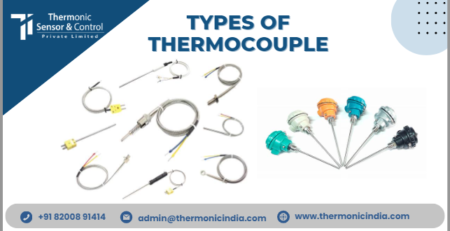
| Thermocouples | High-temperature applications | Wide operating temperature range |
| NTC/PTC Sensors | HVAC, appliances, and electronic equipment | Fast response in specific temperature ranges |
RTD Sensors
RTD sensors are widely used in industries where stable and precise temperature measurement is essential. They are commonly selected for pharmaceutical, food processing, and process manufacturing applications.
Thermocouples
Thermocouples are preferred for applications involving extreme temperatures, such as furnaces, boilers, kilns, and heat treatment equipment. Their rugged construction makes them suitable for demanding industrial environments.
NTC and PTC Sensors
NTC and PTC sensors are commonly used in temperature monitoring and protection systems where quick response and compact design are important.
Consider the Right Protection Materials
Beyond selecting the sensing technology, it is equally important to choose suitable sheath materials and protective assemblies that match the operating environment.
Factors to consider include:
- Corrosion resistance
- Mechanical strength
- Operating temperature
- Exposure to chemicals
- Process pressure
- Moisture protection
Choosing the correct combination of sensor type and protective construction helps improve measurement reliability and extends service life.
Also Read : Temperature Sensor Maintenance Checklist for Reliable Industrial Performance
Need Accurate Temperature Sensor Readings? Talk to Our Experts Today
Reliable temperature sensor readings are essential for maintaining product quality, process efficiency, equipment safety, and operational reliability. Incorrect readings are not always caused by sensor failure. In many cases, installation errors, calibration drift, damaged wiring, harsh environmental conditions, or selecting the wrong sensor are the real causes.
By following a structured approach that includes regular inspections, timely calibration, proper installation, and preventive maintenance, industries can minimize unexpected downtime and improve long-term process performance.
When it’s time to invest in new sensors, choosing a trusted temperature sensors company with proven industrial expertise can make a significant difference. If you are looking for dependable solutions from an industrial temperature sensor factory, Thermonic India offers a wide range of temperature sensing solutions designed to meet diverse industrial applications.
Whether you need guidance on selecting the right sensor, replacing an existing unit, or developing a custom temperature measurement solution, our team is ready to help. Contact Thermonic India today to discuss your requirements or request a quotation for your next industrial project.