How to Choose the Right Pressure Transmitter for Your Application
Selecting the wrong pressure transmitter can lead to inaccurate readings, process disruptions, equipment damage, increased maintenance costs, and even safety risks
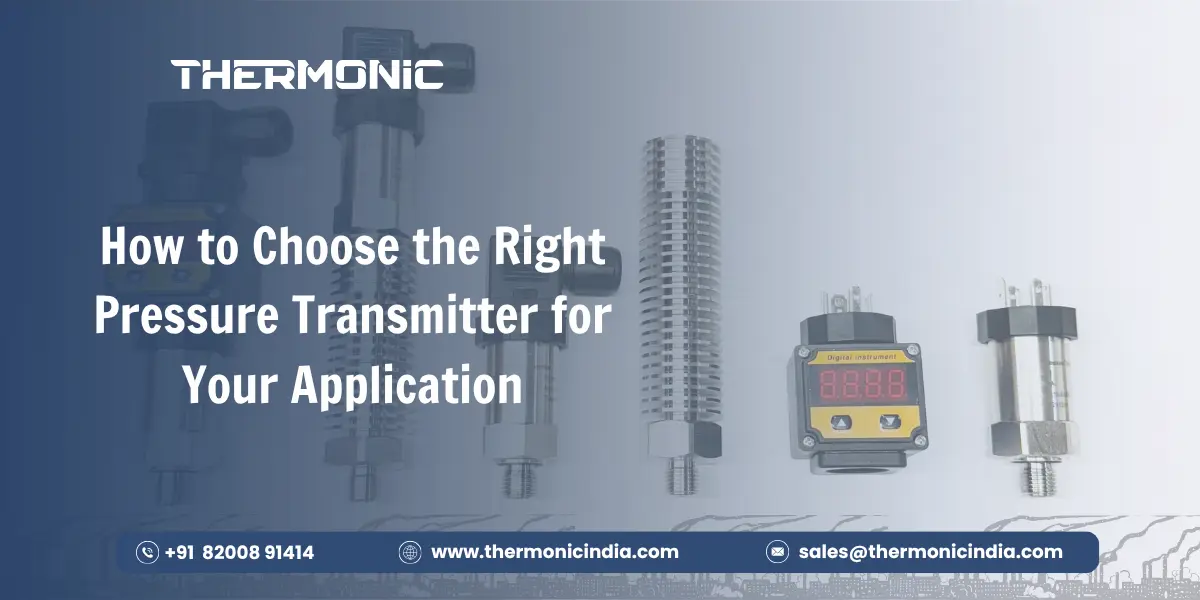
Selecting the wrong pressure transmitter can lead to inaccurate readings, process disruptions, equipment damage, increased maintenance costs, and even safety risks
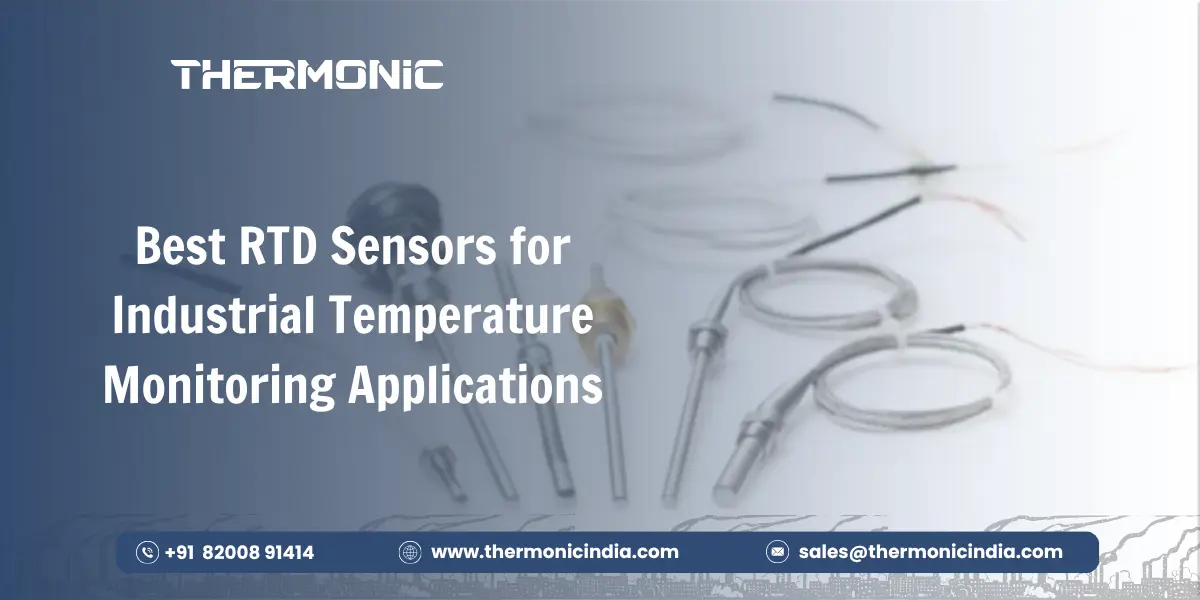
Among the many temperature sensing technologies available today, Resistance Temperature Detectors (RTDs) are widely recognized for their exceptional accuracy, stability, and repeatability.
Understanding different thermocouple wire types is important for industries looking to achieve accurate and reliable temperature measurement

Temperature measurement plays a critical role in modern industries where precision, safety, and efficiency directly impact production quality.

Temperature sensors are often small components in a large industrial setup, but their failure can create major operational issues.
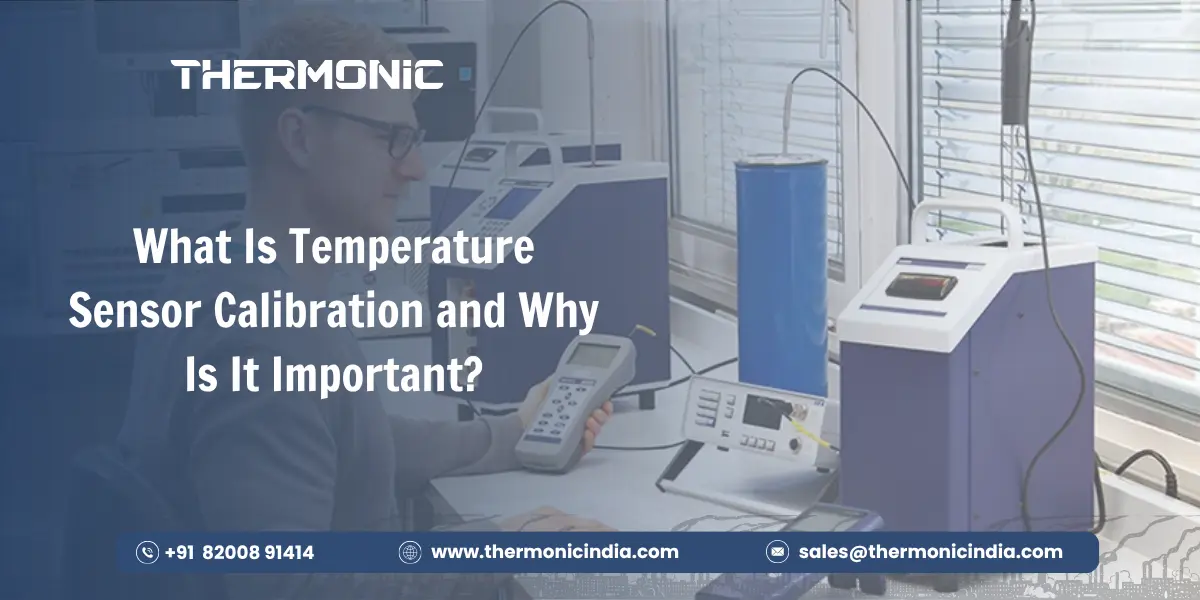
Precise temperature monitoring is essential for maintaining safety, efficiency, and consistent performance in modern industrial operations.
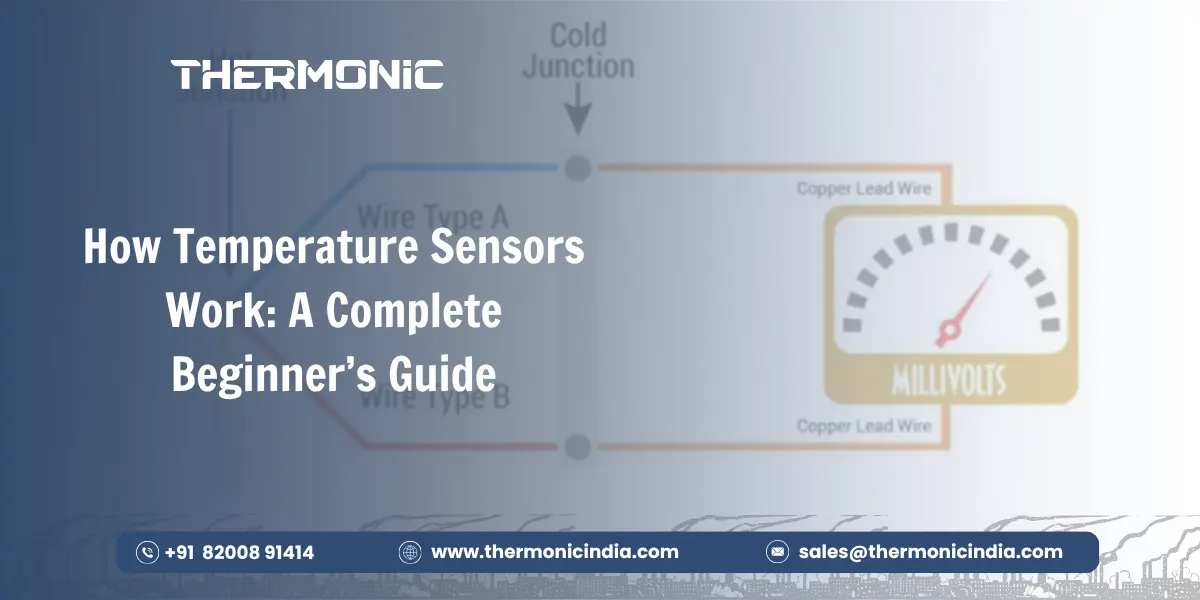
If you are wondering how does a temperature sensor work or how do temperature sensors work in industrial environments, the answer lies in how materials react to heat
In modern industries, accurate temperature measurement is not just important , it’s critical for safety, efficiency, and product quality.
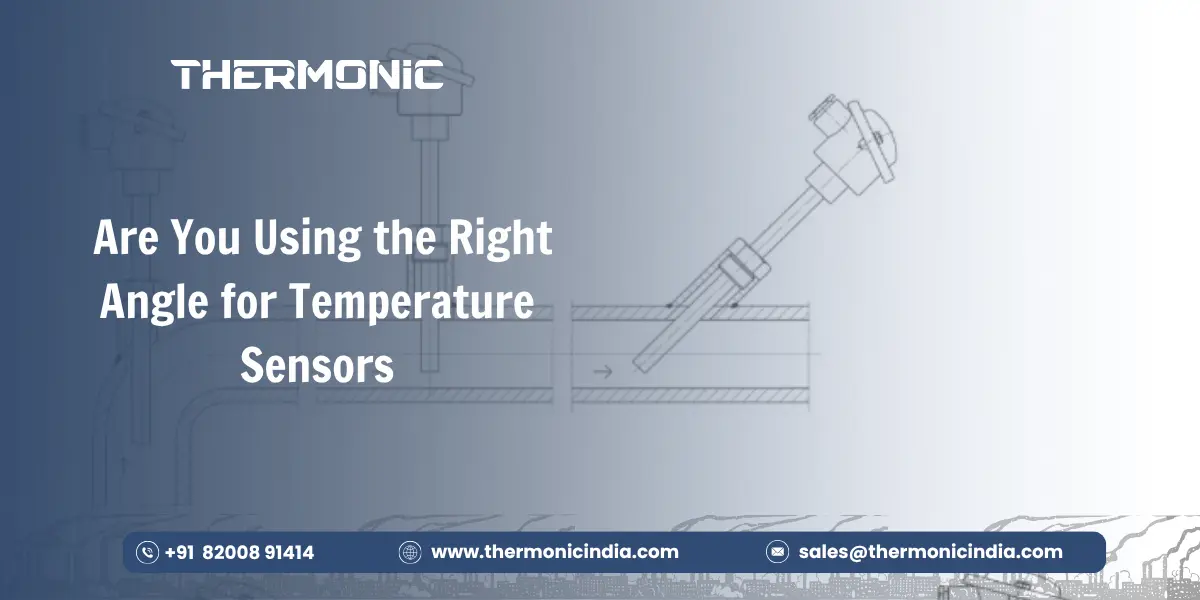
the angle at which a temperature sensor is installed can significantly impact its performance. It directly affects accuracy, response time, and even the lifespan of the sensor.

In industrial environments, selecting the right temperature sensor cable is just as important as choosing the sensor itself.