What Is a Thermowell and How Does It Work in Industry?
Introduction
Getting temperature readings right is absolutely essential for keeping industrial processes safe, efficient, and producing quality results. Whether you’re refining oil or pasteurizing milk, having precise temperature data keeps everything running like clockwork. But here’s the challenge: how do you protect those delicate measuring instruments from the brutal conditions found in industrial settings? That’s where thermowells come to the rescue. These vital components create a protective shield around temperature sensors, giving you accurate readings while keeping your expensive equipment safe from harm.
In this post, we’ll dive into what thermowells are, how they do their job, and why they’re absolutely essential across so many different industries. You’ll discover the various types available, their key advantages, and what you need to think about when choosing the perfect one for your specific situation.
What Is a Thermowell
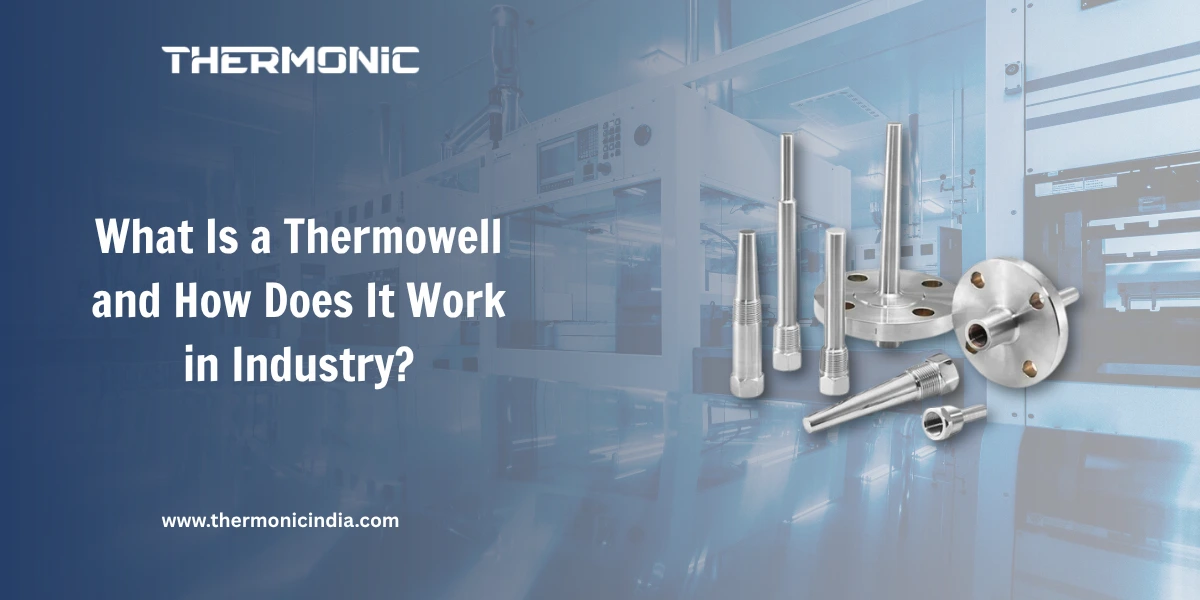
Picture a thermowell as a protective metal sleeve that’s permanently built into your pipes or tanks. It’s essentially a cylindrical, hollow tube that wraps around your temperature sensor, creating a barrier between the sensor and whatever fluid you’re measuring. Your temperature sensor (like an RTD or thermocouple) slides right into the hollow center of this protective sleeve, letting it read temperatures accurately without ever touching the process fluid directly.
Key Components of a Thermowell
Every thermowell has several important parts working together to do the job right. Getting familiar with these pieces helps you understand exactly how they function.
- Process Connection: This connects your thermowell to the pipe or vessel. You’ll find threaded connections, flanged setups, and weld-in options depending on your needs.
- Shank: The main shaft that sticks out into your process fluid. These come in straight, stepped, or tapered designs to handle different flow conditions and vibration concerns.
- Bore: The hollow space inside where your temperature sensor sits. Getting the right diameter here is crucial for a proper fit and good heat transfer.
- Tip: The business end that’s completely surrounded by your process medium. The tip design directly affects how quickly you get temperature readings.
Also Read : Types of Temperature Sensors Used in Industrial Applications
Materials Used in Thermowell Construction
Choosing the right material for your thermowell depends entirely on what you’re measuring. The chemical makeup, temperature, and pressure of your process fluid all play a role in this decision. Pick wrong, and you’ll face corrosion problems and shortened equipment life. Here are the most common choices:
Stainless Steel 304 (SS304)
For all-round industrial applications, good strength, cost effectiveness, and corrosion resistance make SS304 an excellent option for thermowell construction. It can withstand moderate temperature and pressure. It is ideal for use with neutral media (water, air, steam and mild chemicals). SS304 thermowells can be found in food processing, HVAC and utility lines systems where extreme resistance to corrosion is not an issue.
Stainless Steel 316 / 316L (SS316)
SS316 has better corrosion resistance than SS304 and can be relied upon in high temperatures and aggressive processes as SS316 has molybdenum in its structure which improves corrosion resistance to chlorides, saltwater and other aggressive chemicals. Those thermowells are ideal for use in chemical plant processes, oil & gas production, pharmaceuticals and marine engineering when long operational life and safety of the process are of high importance.
Carbon Steel
Carbon steel thermowells offer a cost-effective solution for low-pressure and non-aggressive chemical environments. They deliver strong mechanical performance, excellent durability, and reliable operation at lower temperatures. Many industries use carbon steel thermowells in utility systems, water treatment plants, and low-temperature industrial processes. However, engineers generally avoid using them in high-humidity or highly corrosive environments where stronger alloys perform better.
Inconel (600 / 625)
Inconel, a high-performance nickel-based alloy, handles extremely high temperatures and pressures with ease. It resists oxidation effectively and maintains its mechanical strength even during prolonged exposure to elevated temperatures. Power plants, refineries, furnaces, and heat treatment facilities frequently rely on Inconel thermowells for demanding applications. In high-temperature environments where stainless steel thermowell may weaken or fail, Inconel provides superior reliability and long-term performance.
Monel 400
Monel 400, a nickel-copper alloy, combines impressive mechanical strength with outstanding corrosion resistance. It performs exceptionally well in both acidic and alkaline environments. Offshore platforms, marine operations, and chemical processing industries commonly use Monel thermowells due to their durability in harsh conditions. Its strong resistance to seawater and chemical exposure makes it a preferred choice for marine and industrial chemical systems.
Hastelloy C276
Hastelloy C276 serves as a dependable material for thermowells used in highly aggressive chemical environments. Industries such as acid production, petrochemicals, fertilizers, and specialty chemical processing depend on this alloy for critical applications. It offers excellent resistance to corrosion, pitting, stress corrosion cracking, and crevice corrosion under extreme operating conditions. For systems that handle highly corrosive chemicals, Hastelloy C276 ensures maximum reliability and long service life.
How Does a Thermowell Work?
The magic of a thermowell lies in creating separation between your sensitive temperature sensor and the harsh realities of industrial processes. It builds a protective wall that shields delicate equipment from high pressure, corrosive chemicals, and fast-moving fluids that could cause damage.
Once installed in your process piping or vessel, the thermowell transfers heat from your process medium through its wall to the sensor sitting safely inside. This setup gives your RTD or thermocouple the temperature data it needs without any direct exposure to potentially destructive conditions. The real beauty is that you can pull out sensors for maintenance or replacement without shutting down your entire operation.
Types of Thermowells
Thermowells get classified by how they connect to your system and what their shank looks like. Each style fits particular applications and installation situations.
Threaded Thermowells
These screw right into threaded openings in your pipes or tanks. Installation is straightforward, making them popular for smaller pipes and less demanding applications where you’re not dealing with highly corrosive materials or extreme pressures.
Flanged Thermowells
Flanged versions bolt onto matching flanges on your process equipment. This creates an incredibly strong, reliable seal that’s perfect for high-pressure, high-temperature situations and larger pipeline systems. Installation takes more work, but you get superior stability in return.
Weld-In Thermowells
These get welded directly onto your pipe or vessel, creating a permanent connection that won’t leak. Weld-in thermowells are the top choice when you need maximum strength and an absolutely secure seal, especially in power generation and steam applications.
Socket-Weld Thermowells
Similar to weld-in types, these also get welded in place. The difference is they slide into a socket on your equipment before welding. This gives you a rock-solid connection that can handle applications where threaded connections might fail due to vibration or pressure.
Key Benefits of Using Thermowells
Adding thermowells to your process brings several major advantages to the table.
- Protection of Temperature Sensors: The biggest benefit is keeping your sensors safe from corrosion, erosion, high pressure, and physical damage. This dramatically extends sensor life and saves you money.
- Durability in Harsh Environments: Built from tough materials, thermowells stand up to extreme industrial conditions and keep working reliably for years.
- Ease of Maintenance: Since your sensor is isolated, you can remove it for calibration, repairs, or replacement without draining systems or stopping production. This saves valuable time and cuts operational downtime.
- Improved Accuracy and Reliability: Protecting your sensor means you get consistent, reliable readings. Secure installation also reduces measurement errors from vibration.
Applications of Thermowells in Industrial Settings
Where exactly do you find thermowells in action? Pretty much everywhere that temperature control matters in industrial operations.
- Oil and Gas Industry: Temperature monitoring in pipelines, reactors, and distillation towers keeps operations safe and efficient.
- Chemical Processing: Chemical reactions demand precise temperature control. Thermowells protect sensors from aggressive chemicals while maintaining process integrity.
- Power Generation: Power plants use thermowells in boilers, steam lines, and turbines to track critical temperatures under intense pressure.
- Food and Beverage Industry: Specific temperature control is vital for pasteurization, brewing, and other food production processes that ensure product safety and quality.
Also Read : Best Temperature Sensors for High Accuracy Applications
Factors to Consider When Choosing a Thermowell
Picking the right thermowell means evaluating several important factors to get the best performance and safety.
- Process Conditions: Think about the highest temperature, pressure, and flow rate your thermowell will face.
- Material Compatibility: Your thermowell material must resist corrosion from whatever process medium you’re measuring.
- Installation Type and Design: Pick a connection method (threaded, flanged, etc.) and shank style (straight, tapered) that matches your application and system needs. Tapered shanks, for instance,
Looking for the Best Thermowell for Your Application? We’re Here to Help
Choosing the right thermowell is critical for ensuring accurate temperature measurement, long sensor life, and safe operation in demanding industrial environments. From selecting the correct material and insertion length to deciding among different thermowell types, every detail matters for reliable performance. Whether you need a solution for high pressure, high temperature, or corrosive applications, our experts can help you identify the most suitable option for your process.
Explore our complete range of industrial thermowell temperature sensor solutions designed for durability, precision, and compliance with industry standards. Visit our product page to learn more and find the ideal thermowell for your application today.