Temperature Sensors Used in Plastic, Chemical & Pharmaceutical Industries
Introduction
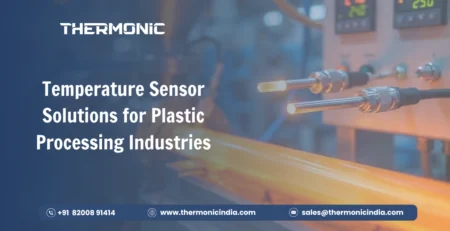
Accurate temperature measurement and control play a critical role in the plastic, chemical, and pharmaceutical industries, where even minor temperature variations can impact product quality, process safety, and regulatory compliance. From polymer extrusion and chemical reactions to sterile drug manufacturing, industries rely on industrial temperature sensors such as thermocouples, RTDs, and high-precision probes to maintain consistent operating conditions. According to industry standards outlined in resources like temperature sensing fundamentals , selecting the right temperature sensor for industrial applications ensures reliable monitoring, energy efficiency, and process optimisation across complex manufacturing environments.
Key Features
High Accuracy and Reliability
Temperature sensors used in plastic, chemical, and pharmaceutical industries are designed to deliver precise and stable readings even in demanding operating conditions. High accuracy ensures consistent process control, reduces variability in production, and supports strict quality standards across industrial applications.
Wide Temperature Range Capability
Industrial temperature sensors are built to operate across a broad temperature spectrum, making them suitable for applications ranging from low-temperature pharmaceutical storage to high-temperature chemical reactors and plastic processing machines. This flexibility allows seamless integration across multiple process stages.
Robust Construction for Harsh Environments
Sensors used in chemical and plastic industries are engineered with durable materials and protective housings to withstand high pressure, corrosive media, vibrations, and thermal shocks. This robust construction ensures long service life and reliable performance in continuous industrial operations.
Compliance with Industry Standards
Temperature sensors used in pharmaceutical applications are designed to meet GMP, FDA, and other regulatory requirements. Sanitary designs and high-precision performance help manufacturers maintain compliance, validation, and audit readiness without operational disruption.
Business Impact
Improved Product Quality and Consistency
Accurate temperature monitoring ensures uniform processing conditions, which directly improves product quality and reduces defects. Consistent temperature control leads to higher acceptance rates and enhanced customer satisfaction across all three industries.
Reduced Operational Risk and Downtime
Reliable temperature sensors help prevent overheating, thermal runaway, and process instability. Early detection of temperature deviations minimizes unplanned shutdowns, enhances workplace safety, and protects critical equipment from damage.
Cost Optimization and Waste Reduction
Precise temperature control reduces material wastage, rework, and energy consumption. By maintaining optimal operating conditions, manufacturers can lower production costs and improve overall process efficiency.
Regulatory Compliance and Audit Readiness
In the pharmaceutical and chemical industries, accurate temperature monitoring supports documentation, validation, and regulatory audits. This reduces compliance-related risks, avoids penalties, and strengthens operational credibility.
Conclusion
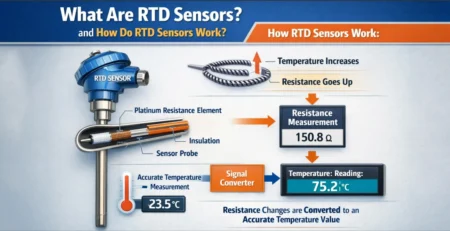
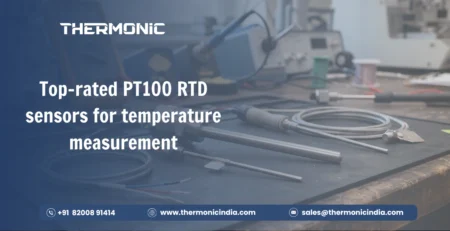
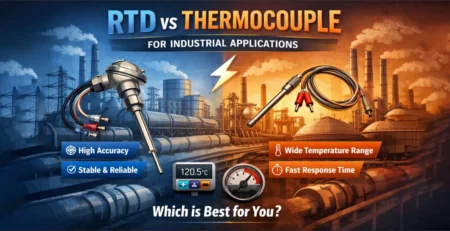
In plastic processing, chemical plants, and pharmaceutical manufacturing, the use of reliable temperature sensors is essential for achieving process stability, safety, and repeatability. Thermocouples are widely preferred for high-temperature and fast-response applications, while RTDs (PT100/PT1000 sensors) offer superior accuracy and long-term stability for critical process control and validation. Choosing the correct industrial temperature measurement solution helps manufacturers meet quality standards, regulatory requirements, and operational efficiency goals. As these industries continue to adopt automation and smart process control systems, high-quality temperature sensors and probes remain a foundational component of modern industrial operations.