The Advantages of Using Thermocouples in Temperature Measurement
Summarize this blog post with:


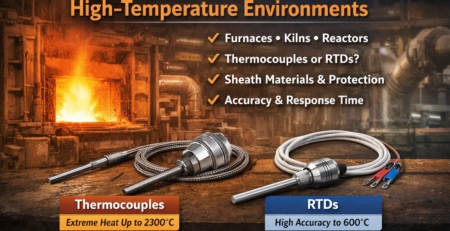
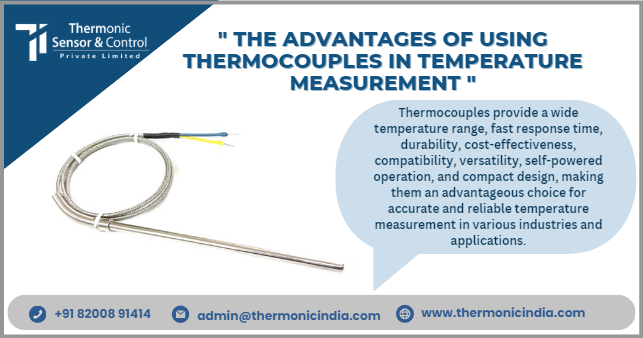
- Wide temperature range: Thermocouples can measure temperatures from extremely low (-200°C) to very high (over 2300°C), covering a broad range of applications.
- Quick response time: Thermocouples provide rapid and accurate temperature readings, enabling real-time monitoring and control of temperature changes.
- Robustness and durability: Thermocouples are designed to withstand harsh environments, including high temperatures, vibration, and mechanical stress, ensuring reliable and long-lasting performance.
- Cost-effectiveness: Base metal thermocouples, such as Type K and Type J, are relatively inexpensive compared to other temperature sensors, making them a cost-effective choice, especially for applications that require multiple measurement points.
- Compatibility: Thermocouples are compatible with a wide range of measurement instruments and control systems, as they generate millivolt-level output that can be easily measured and integrated into existing systems.